 roundup
 Ergonomic Bike Grips: 10 That Transform Your Ride Comfort in 2026
After testing 10 ergonomic bike grips for numb-free rides, we picked the best for every budget and use case. Honest reviews with real pros and cons for each ...


Bike grips, boots, treadmills, and gear for cyclists, riders, and gym-goers who want to train without the pain.

We may earn a small commission through links on this page, at no extra cost to you. As an Amazon Associate, we earn from qualifying purchases. Ratings reflect our own editorial evaluation.
When people hear "ergonomics," they usually think of desk setups and office chairs. But that's only part of the picture.
Any activity involving repetitive motion or holding the same position for a while has an ergonomic side to it, and ignoring that reality leads to real injuries.
Cyclists end up with ulnar neuropathy because their grips crush the nerve running through their palm. Motorcyclists develop chronic wrist strain from white-knuckling a throttle for hours at a stretch.
Weekend hikers wreck their knees in boots that don't support a neutral foot strike. None of this is random bad luck.
It's what happens when your gear doesn't fit your body.
We keep things straightforward here. We test ergonomic sports and fitness products the way you'd actually use them, not in some lab for ten minutes.
We ride the bikes, walk the treadmills, lace up the boots, and work the grip trainers until we're confident in what works and what falls short. Then we rank everything honestly.
This guide pulls together everything we've learned across cycling, motorcycling, driving, fitness, and general active use. If pain, numbness, or fatigue is showing up during your activities, you're in the right place.
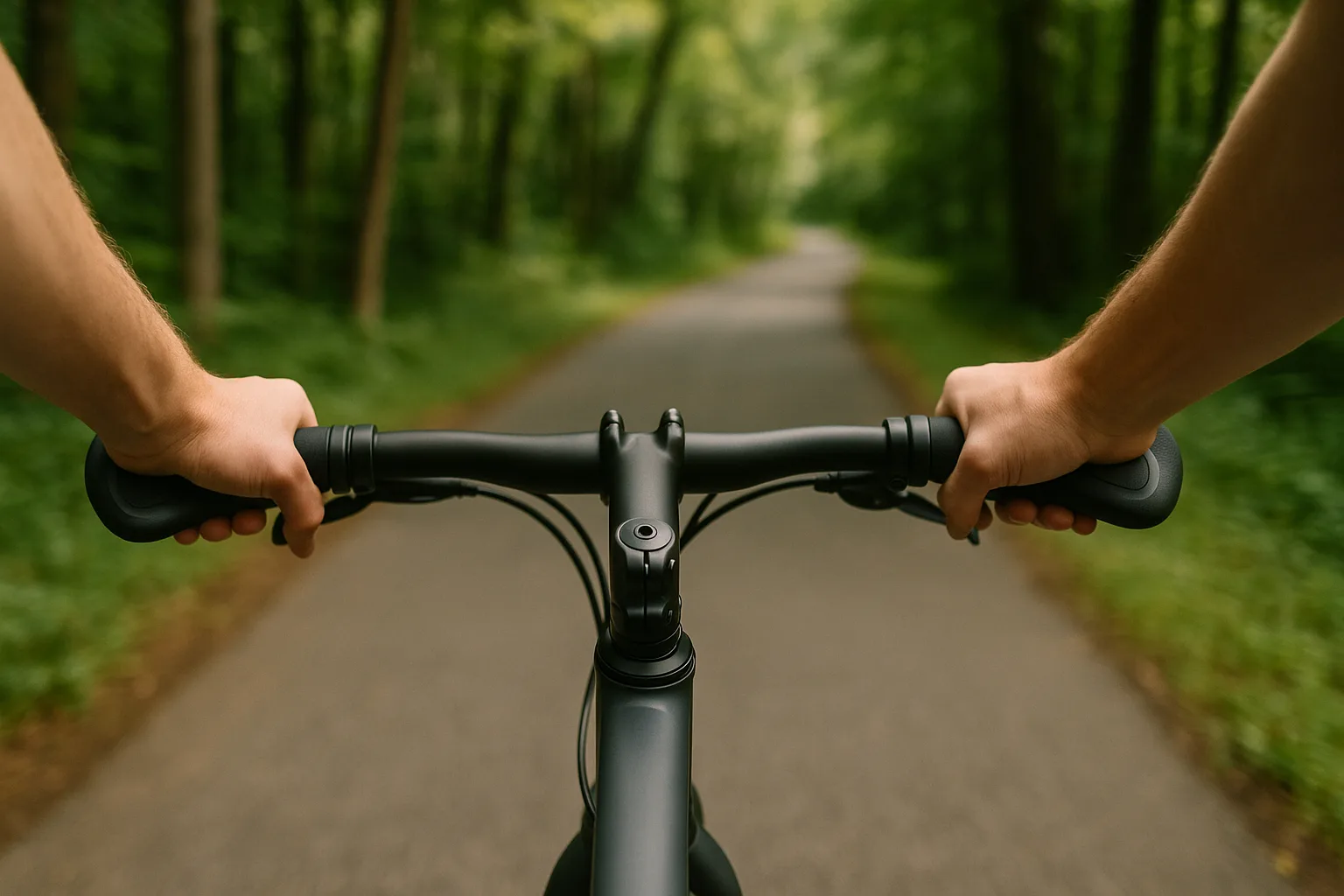
Hand numbness is far and away the biggest complaint we hear from cyclists. It almost always comes down to one of two things: bad grips or poor handlebar positioning.
Round grips focus all your weight onto a single pressure point right on the ulnar nerve, and after about 30 minutes, that nerve starts going numb.
The solution is pretty simple. Ergonomic grips with a wider, flatter palm platform spread pressure across your whole hand instead of pinching one nerve.
We put 10 options through their paces in our ergonomic bike grips roundup, and the Ergon GA3 took the top spot thanks to its contoured shape and two-size system that fits different hand widths.
Even the best grips won't fix things if your handlebars are too low. Low bars force you to hunch forward and pile extra weight onto your palms.
Just raising the stem by 10-15mm can cut hand and shoulder pressure way down.
You want a slight bend in your elbows when you're gripping the bars. Straight, locked-out arms send every road vibration directly into your shoulders and wrists.
That little bend works like a natural shock absorber.
Your saddle matters more than just about anything else on the bike. A bad one creates soft tissue pressure, strains your lower back, and turns every ride into a miserable experience after the first mile.
In our bicycle ergonomics guide, the Giddy Up! Bike Seat grabbed our top pick for its waterproof build and dual shock-absorbing springs.
Getting the height right is just as important as the shape. Set it too high and your hips rock side to side with every pedal stroke.
Too low and your knees absorb way too much load. Here's a quick check: sit on the saddle with your heel on the pedal at the lowest point.
Your leg should be fully straight. Switch to the ball of your foot and you'll have the slight knee bend you need.
This one catches most cyclists off guard. Low tire pressure sends way more road vibration through the frame and up into your hands, arms, and back.
Check your pressure before every ride. It takes 30 seconds and you'll genuinely feel the difference afterward.
Slightly wider tires at a touch less pressure can smooth out rough pavement without costing you much speed. If you're commuting on potholed city streets, swapping from 25mm to 28mm tires is one of the cheapest ergonomic upgrades out there.
Skinny pedals push your feet into an unnatural stance that creates hot spots and gradually worsens knee tracking. Wide, flat pedals like the Rockbros Mountain Bike Pedals from our bicycle ergonomics guide offer a bigger, more stable platform for your feet.
The pins grip your shoe soles so your feet stay put through rough terrain without you clenching your toes for dear life.
If you're commuting or riding casually, platform pedals win over clipless every time. Clipless systems lock you into a fixed foot angle, which helps for racing but can aggravate knee or ankle problems when the cleat alignment isn't dialed in perfectly.
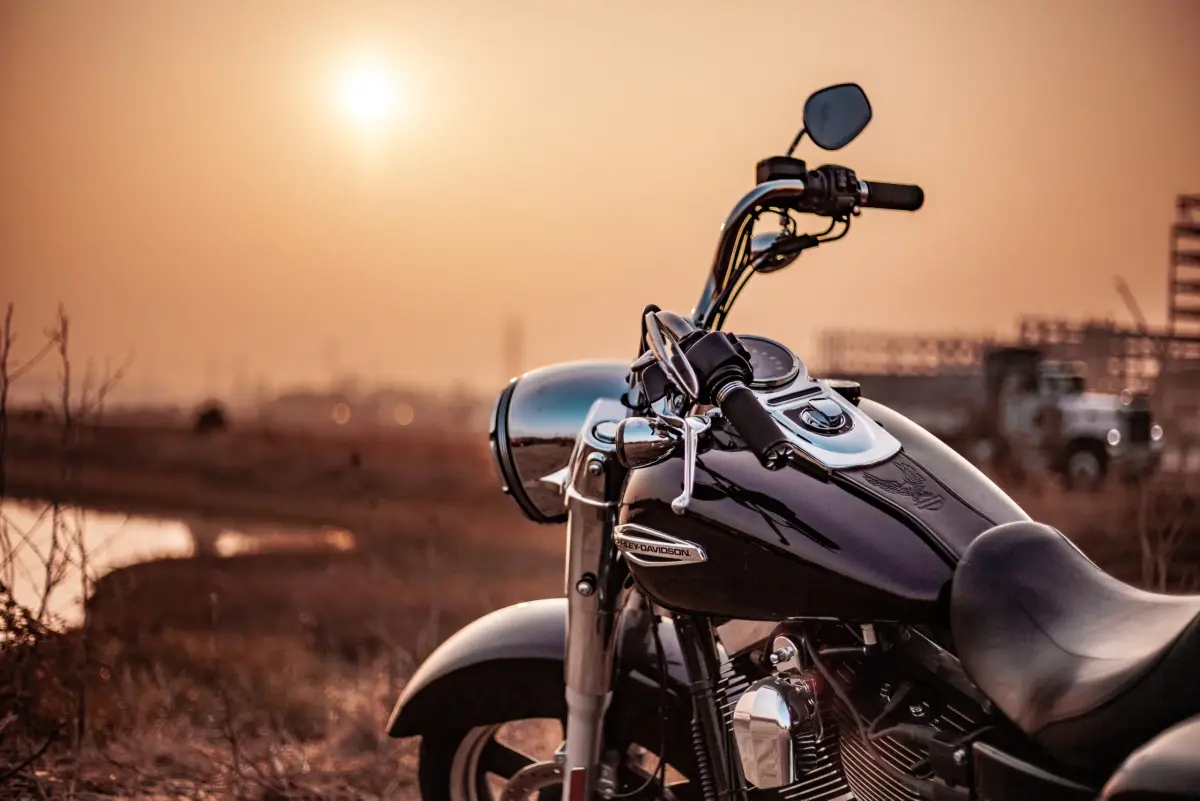
Motorcycles throw a unique ergonomic curveball at you because there's no standing up to stretch when discomfort sets in. You're stuck in one position, battling constant wind, vibration, and throttle tension.
Bad setup compounds quickly out there.
We went through the full range of motorcycle ergonomic products in our dedicated guide. The upgrades that moved the needle the most were seat cushions, throttle extenders, and vibration-dampening grips.
The stock seat on most bikes is built to look good in the showroom, not to support your pelvis for hours on the highway. Air-cell cushions like the Airhawk pull pressure off your tailbone and sit bones, right where all that soreness piles up on rides past the one-hour mark.
Combining a cushion with good posture makes a world of difference. Your spine should hold its natural S-curve while you ride.
If you're hunched forward or arched way back, no cushion on earth is going to save you from back pain.
White-knuckling the throttle is basically squeezing a stress ball nonstop for two hours. A throttle extender or holder lets you hold speed with an open palm or light touch, giving those small muscles in your hand and forearm a real break.
Vibration-dampening grips follow the same idea as ergonomic bike grips. They soak up high-frequency road buzz before it hits your hands.
The Kuryakyn handlebar grips we tested in our motorcycle roundup dampened vibration noticeably better than stock rubber grips did.
You don't want your knees crammed against the tank or stretched all the way out to the pegs. Somewhere between 70 and 90 degrees keeps blood flowing and prevents joint stiffness on longer rides.
Adjustable footpeg kits are available for most popular bikes and they're cheaper than you'd think.
Highway pegs deserve a mention too. Shifting your legs to a different position every 30-45 minutes stops the numbness and cramping that builds up when you're locked into one spot for too long.
Good motorcycle gloves aren't just crash protection. They put padding right where vibration hits hardest: along the outer palm and the base of your thumb.
The Blok-IT and IRON JIA'S gloves from our motorcycle ergonomics roundup pack gel padding into those zones while still leaving you enough dexterity for the brake and clutch levers.
Fit matters more than anything else with gloves. Too tight and you cut off blood flow, which speeds up numbness.
Too loose and you end up squeezing harder to compensate. What you're looking for is snug without being restrictive, with enough room to wiggle your fingers freely.
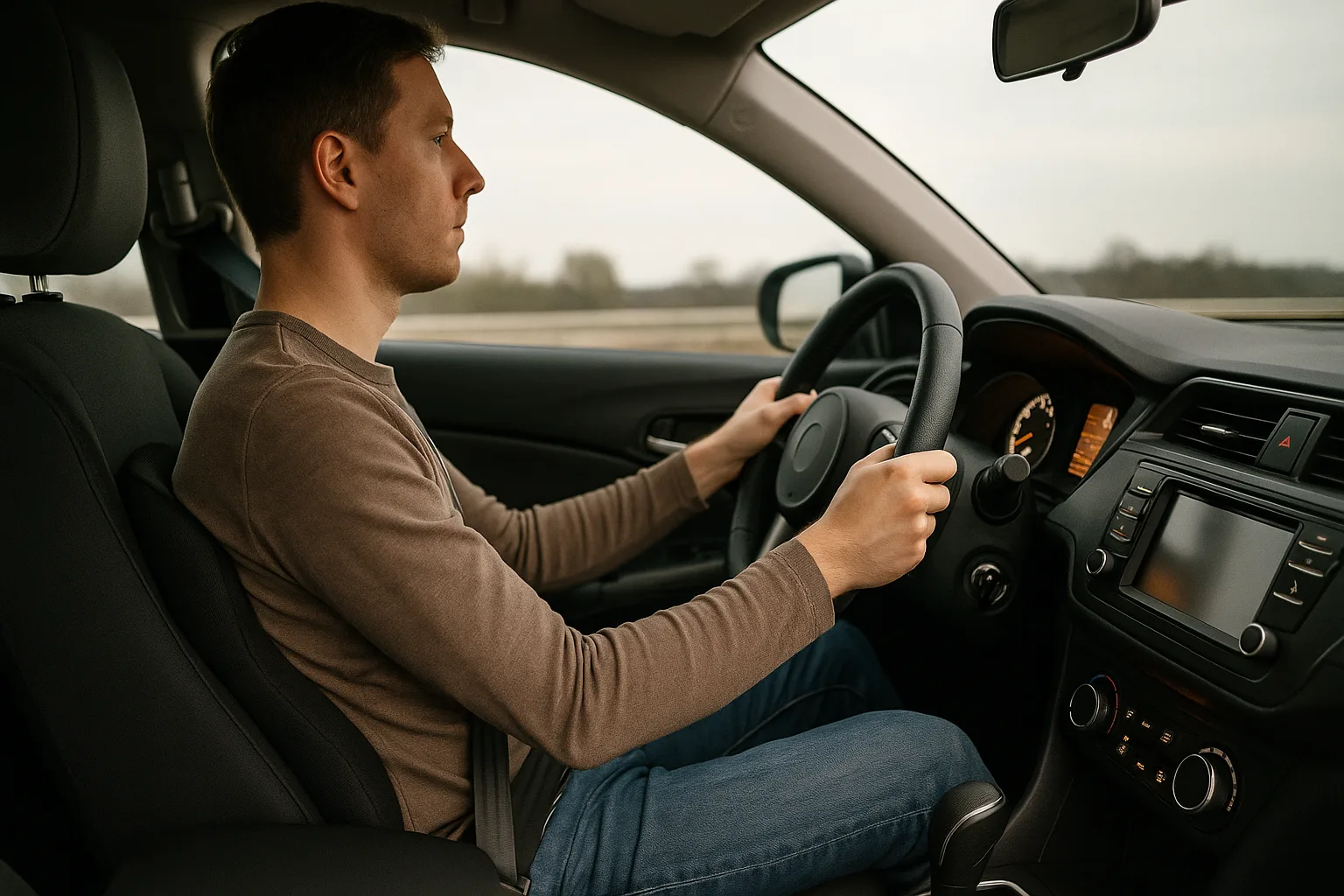
The average American logs about 51 minutes a day behind the wheel. That works out to roughly 310 hours a year spent in a position most people never think twice about optimizing.
And it shows: chronic lower back pain, stiff necks, and tight hips that follow you out of the car and into the rest of your day.
We've tested driving ergonomic products from lumbar cushions to neck pillows, and the single best upgrade is a memory foam lumbar support paired with a seat cushion. The Everlasting Comfort combo covers both in one shot.
Before spending money on accessories, check your basic seat position first. Your knees should sit slightly higher than your hips, with roughly two finger-widths of space between the back of your knee and the seat edge.
This keeps pressure off your sciatic nerve and helps blood flow to your legs.
The steering wheel needs to be close enough that your wrists can rest on top of it while your back stays flat against the seat. If you're reaching for the wheel, you're dragging your shoulders forward and loading tension into your upper back that turns into knots by the time you park.
A bare plastic or worn-out leather wheel creates two problems at once. You grip harder because the surface feels slippery, and the hard material channels engine vibration straight into your palms.
Ergonomic steering wheel covers actually make a noticeable difference here, and the Wheelskin genuine leather cover stood out in our testing for easy installation and its natural grip feel.
Microfiber leather options like the Rueesh and SEG Direct also wick moisture, which helps with the sweaty, slippery-wheel issue during summer drives. It's a cheap swap that most drivers never consider until they've tried one.
Your headrest should contact the back of your head, not your neck. Most people have theirs too low, which leaves the head completely unsupported while neck muscles work overtime to keep it upright.
That forward-head posture is the leading cause of neck pain on any drive over 30 minutes.
On long trips, plan a stop every 90 minutes to stand up, stretch, and walk for about 5 minutes. No product on the market replaces the need to move.
Ergonomic gear just makes the sitting part more bearable between breaks.
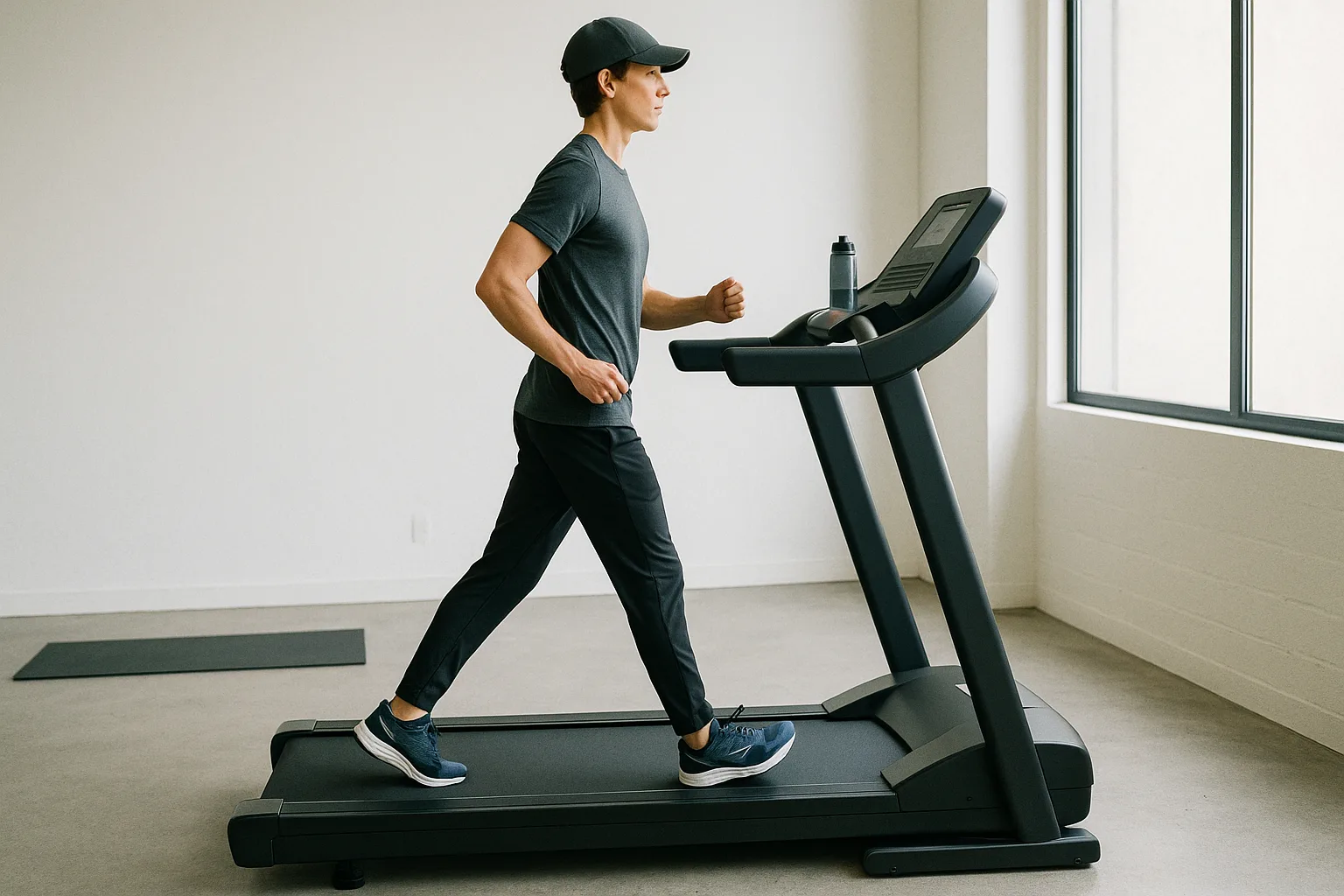
Home fitness equipment took off over the past few years, and plenty of people ended up with treadmills that aren't doing their bodies any favors. What separates a regular treadmill from an ergonomic treadmill really boils down to three things: deck cushioning, belt width, and where the handrails sit.
A cushioned deck absorbs impact so your knees and hips don't have to take the beating. That matters whether you're walking or running, but it's especially critical for heavier users and anyone working through joint issues.
The Sunny Health & Fitness T7643 earned our top pick for its heavy-duty shock absorption system built specifically for walking.
Walkers need a stable, wide deck with a low speed range and handrails at a comfortable height. Runners need more cushioning, longer belts (55 inches minimum), and better motors that hold consistent speed under load.
Desk treadmills are their own category entirely. They're meant to slide under a standing desk and run at 1-3 mph while you work.
The big ergonomic concern with these is belt width. Anything narrower than 16 inches forces you into an unnatural gait that causes more problems than it fixes.
The single most common treadmill mistake? Holding the handrails while walking or running.
It throws off your center of gravity, cuts calorie burn by up to 25%, and trains your body to lean on arm support instead of building core stability.
Stand tall, look straight ahead (not down at the console), and let your arms swing naturally. If you can't hold that posture at your current speed, slow down until you can.
Speed with bad form tears you down. A slower pace with good form builds you up.
Walking at a 2-4% incline fires up your glutes and hamstrings better than flat walking, and it actually reduces knee impact at the same time. It mimics the natural terrain variation your body was built for.
Most ergonomic treadmills have motorized incline control, so you can adjust on the fly without stopping.
Resist the urge to crank the incline to max and then hang onto the handrails to keep up. That defeats the whole point.
A moderate incline with hands-free walking builds real strength. A steep incline while death-gripping the rails just leaves you with sore forearms and bad movement habits.
Different activities stress your body in different ways. This table lays out the main ergonomic concerns for each of the four activities we cover, plus the gear that tackles each one.
| Factor | Cycling | Motorcycle | Driving | Gym / Treadmill |
|---|---|---|---|---|
| Primary Pain Point | Hand numbness, saddle soreness | Wrist fatigue, tailbone pressure | Lower back pain, neck stiffness | Knee impact, poor posture |
| Root Cause | Nerve compression, vibration | Throttle grip, fixed position | Poor seat support, forward head | Hard deck, handrail dependency |
| Top Ergonomic Fix | Ergonomic grips + proper saddle | Throttle extender + seat cushion | Lumbar support + wheel cover | Cushioned deck treadmill |
| Typical Session | 30-120 min | 1-6+ hours | 20 min to 8+ hours | 20-60 min |
| Vibration Exposure | Moderate (road surface) | High (engine + road) | Low to moderate | Low (motor hum only) |
| Position Changeability | Limited (drop bars help) | Very limited | Limited (seat adjustment) | High (speed, incline) |
| Injury Risk Without Intervention | Ulnar neuropathy, IT band | Carpal tunnel, lumbar disc | Sciatica, cervical strain | Shin splints, plantar fasciitis |
| Budget for Fixes | $25-80 | $30-120 | $25-60 | $200-800 (treadmill) |
You'll notice cycling and motorcycling both deal with vibration, but the sources are totally different. On a bicycle, road surface vibration travels through rigid forks and straight into your hands.
On a motorcycle, it's mostly engine vibration and it never lets up regardless of how smooth the road is. The fix overlaps (dampening grips in both cases) but the intensity isn't the same.
Fuzzy promises about "comfort" don't really tell you anything useful. Here's a breakdown of the specific injuries ergonomic sports gear prevents and how the prevention actually works.
The ulnar nerve runs through a shallow groove on the outer edge of your palm. Standard round bike grips press that groove into the handlebar, choking off the nerve signal to your ring and pinky fingers.
That's what causes the numbness on longer rides.
Ergonomic grips with a wing-shaped platform (like the Ergon GA3) distribute hand pressure over the entire palm surface. The nerve never gets pinched because no single spot carries all the weight.
It's basic physics, but the comfort difference is huge.
Sitting without lumbar support flattens out your natural spinal curve. Over time, that loads compression onto your intervertebral discs, especially L4-L5 and L5-S1.
Those are the exact spots where most driving-related herniations happen.
A good lumbar cushion keeps that natural lordotic curve intact and shifts the load onto your backrest instead of your spine. It's the same principle behind a $1,200 ergonomic office chair, just applied to your car seat for about $40.
Repeatedly extending your wrist under load (which is exactly what gripping a throttle or leaning on handlebars does) inflames the tendons passing through your carpal tunnel. That swelling squeezes the median nerve and you end up with pain, tingling, and weakness in your thumb and first three fingers.
Vibration-dampening grips cut down the constant micro-trauma. Throttle extenders take away the sustained grip force.
And getting your handlebar height right keeps your wrists closer to neutral, pulling tension off the carpal tunnel altogether.
Walking or running on a hard, uncushioned surface sends shock waves up through your feet, shins, and into your knees. The plantar fascia, that thick band of tissue on the bottom of your foot, absorbs the worst of it until it eventually tears or becomes inflamed.
Cushioned treadmill decks soak up 15-40% of that impact before it ever reaches your body. For outdoor activity, ergonomic boots with real arch support and shock-absorbing midsoles do the same job.
The Wolverine Raider's Multishox insole was the clear standout in our testing for all-day impact absorption.
Squeezing brake levers, gripping handlebars, hanging onto a steering wheel for hours -- your forearm flexors are doing constant isometric work through all of it. Skip the recovery and you're looking at lateral epicondylitis (tennis elbow) or chronic forearm tightness that makes everything from opening jars to typing feel uncomfortable.
Ergonomic hand exercisers develop grip endurance and finger independence. The D'Addario Varigrip lets you set resistance individually for each finger, which is great for building balanced grip strength rather than just raw squeezing power.
After years of testing gear and hearing from readers, we keep seeing the same mistakes pop up. These are the ones that cost people the most in pain and wasted money.
Tingling hands after a bike ride isn't "normal." A stiff neck after every single commute isn't just "getting older."
Those are early warnings that something in your setup is off. Catching it early costs you maybe $30 in new grips.
Dealing with it after nerve damage runs into thousands in physical therapy.
Higher price doesn't mean better ergonomics. We've tested $15 grips that beat $50 ones and seat cushions under $30 that outperformed premium alternatives.
The Schwinn Ergonomic Comfort Grip earned our best value pick in the bike grips category because its tri-layer design punches way above its price point.
Ergonomics works as a system, not a single product swap. New grips aren't going to help much if your saddle height is off.
A lumbar cushion won't solve neck pain when your headrest sits 3 inches too low. Look at your full setup before throwing money at just one piece of it.
Ergonomic gear can feel odd at first, especially if you've been using non-ergonomic stuff for years. Wing-shaped bike grips feel strange until your hand adjusts to the new pressure pattern, which usually takes 3-5 rides.
Lumbar cushions might seem too aggressive the first week before your spine starts holding its natural curve again. Give any new gear at least two weeks before passing judgment.
No product on earth removes the need to move. On a motorcycle, shift your weight around every 20-30 minutes.
On a bike, rotate between different hand positions on the bars. In the car, nudge your seat a bit every hour.
Even the best ergonomic setup in the world still needs movement to keep blood circulating and prevent muscles from seizing up.
Your feet are the foundation for everything you do. Bad boots or shoes set off a chain reaction of misalignment that travels up through your ankles, knees, hips, and into your lower back.
Before upgrading anything else, make sure your footwear has decent arch support, enough cushioning, and actually fits right. It's the piece people overlook more than anything.
Every product featured on this site gets tested in person. We're not rewriting spec sheets or summarizing Amazon reviews.
Here's what our process actually looks like for sports and fitness gear.
Bike grips get ridden for at least 100 miles across different terrain types. Motorcycle accessories go on 2+ hour rides to replicate real touring conditions.
Driving products get used on daily commutes for a minimum of two weeks before we form any opinion. Boots get worn through full work days on hard surfaces to see if the cushioning holds up or bottoms out.
Quick tests completely miss the point. A grip can feel fantastic for 20 minutes and cause numbness by the 45-minute mark.
A seat cushion might be comfortable on day one but flatten out after a week of daily use. Testing over time catches these issues before you waste your money.
We test products head to head, not in a vacuum. When we reviewed 10 bike grips, all 10 went on the same handlebar, got ridden on the same routes, by the same tester.
That removes variables and gives you a direct comparison you can actually rely on.
We photograph the install, measure dimensions, weigh everything, and track durability markers like material wear, compression set (how much a foam cushion sags over time), and grip surface breakdown.
Every product gets scored on five factors: comfort, build quality, ease of installation, value, and whether it actually solves the problem it claims to. A product can be solidly built and still score low if it doesn't reduce pain or improve your positioning.
Function comes first, period.
We also put heavy weight on durability in the sports category. Active-use products take way more abuse than office accessories.
A bike grip that wears smooth after three months or a boot insole that goes flat after six weeks gets knocked hard in our rankings, regardless of how good it felt on day one.
If you landed on this guide because something hurts, start with whichever activity is giving you the most trouble. Don't try to overhaul everything at once.
If hand numbness is the issue, swap your grips first. The Ergon GA3 or even the budget-friendly Schwinn Comfort Grip will make a noticeable difference right away.
After that, take a hard look at your saddle. If you're still on the stock seat that came with the bike, upgrading to something like the Giddy Up! from our bicycle ergonomics guide is hands down the biggest comfort improvement you'll feel.
Pick up a throttle extender and an air-cell seat cushion. Those two upgrades address the two biggest complaints riders have about comfort.
Our motorcycle ergonomics guide covers the full product lineup, but the Airhawk seat cushion and Kuryakyn grips are the best starting point for most riders.
A lumbar support cushion is the single most impactful upgrade you can make as a driver. Throw on a steering wheel cover with good grip texture and adjust your headrest so it actually contacts the back of your head.
All three changes together run under $60 and they'll completely change how you feel stepping out of the car after a long drive.
If you're treadmill shopping, put deck cushioning at the top of your list over speed settings or fancy screens. Our ergonomic treadmill roundup zeroes in on models designed for joint-friendly workouts.
For general fitness, a solid pair of ergonomic boots or training shoes with proper arch support will prevent the foot and shin issues that knock people out of their routine within the first few months.
Work on your grip strength before problems show up. Weak grip is a surprisingly common root cause of wrist pain across cycling, motorcycling, and gym work.
Five minutes a day with a basic hand exerciser builds the endurance your hands need to stay comfortable through longer sessions.
The point isn't to buy more stuff. It's to match the right gear to your body and your activity so pain doesn't cut things short or snowball into a chronic issue.
Start with one fix, see how it goes, and build from there.
roundup After testing 10 ergonomic bike grips for numb-free rides, we picked the best for every budget and use case. Honest reviews with real pros and cons for each ...
 roundup
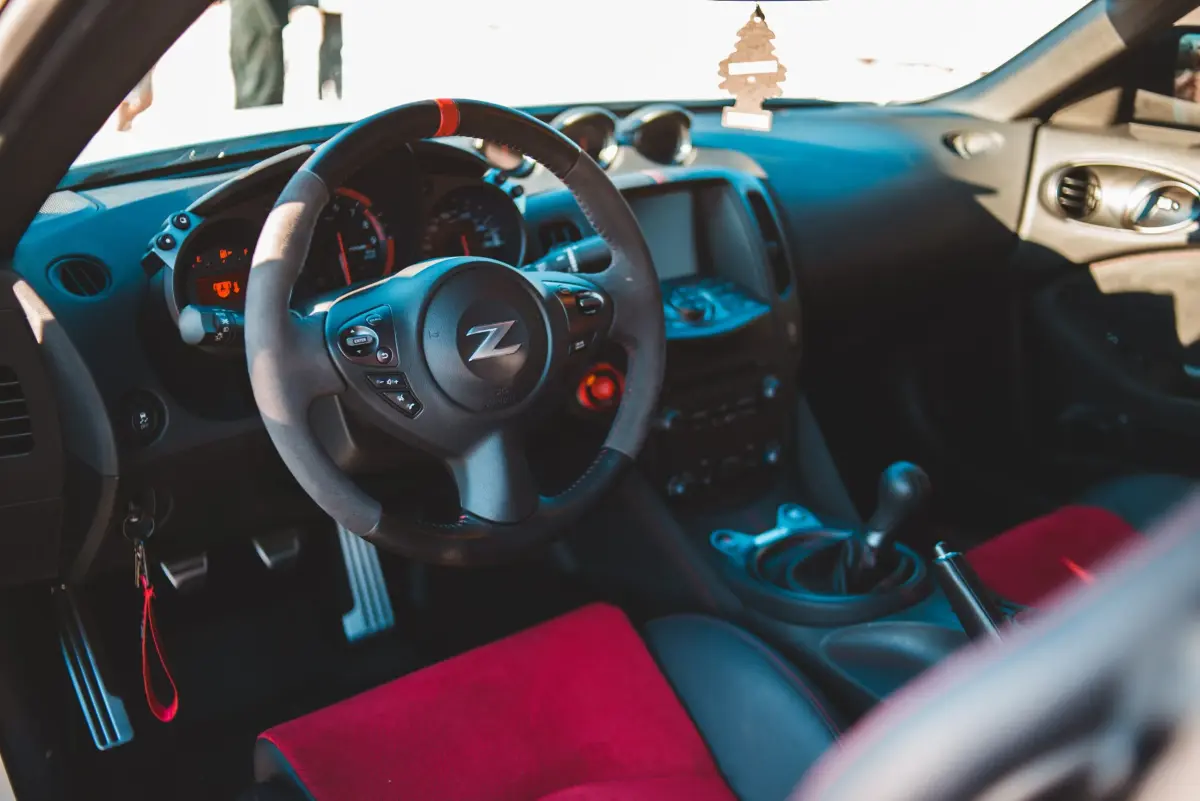
 Finding the right ergonomic steering wheel covers for grip & comfort shouldn't be hard. We tested 10 and broke down exactly what sets each apart.
 roundup
 We tested 10 ergonomic hand exercisers for grip rehab, finger strength, and daily dexterity. Find the right resistance level for your goals.
 roundup
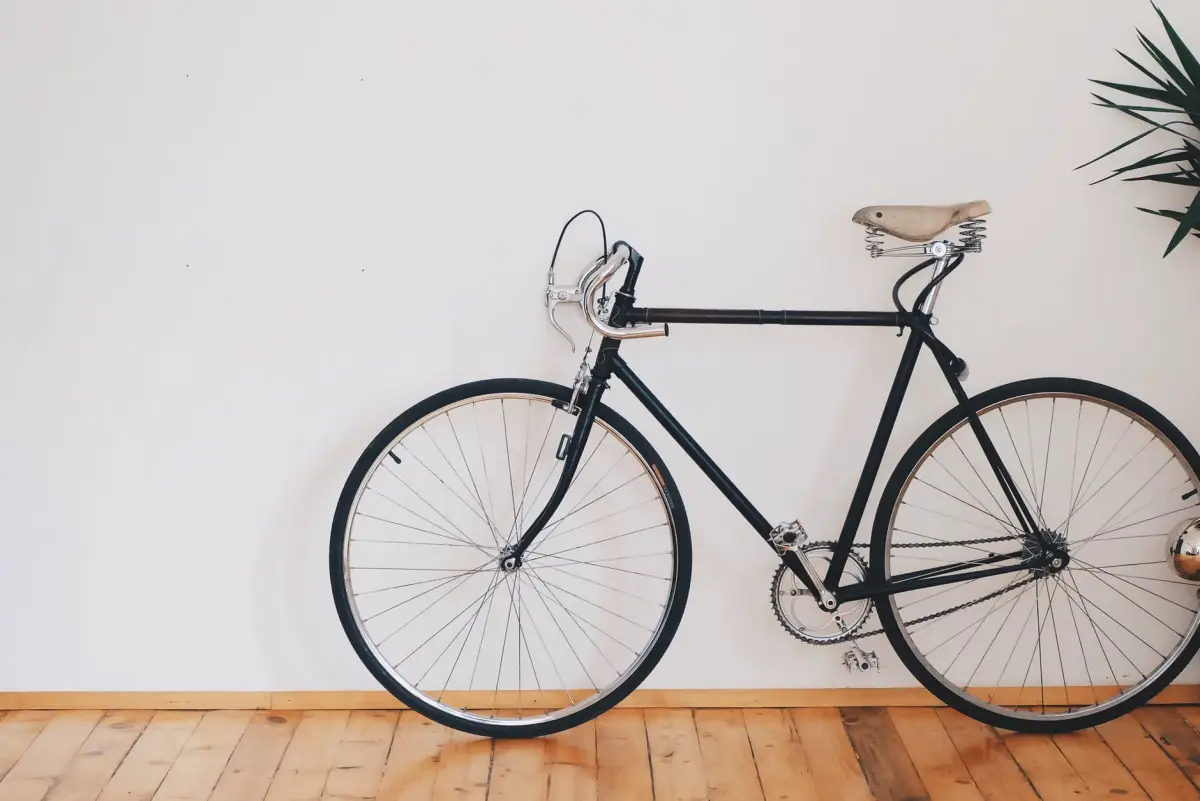
 Our hands-on test of 10 bicycle ergonomic upgrades for no pain reveals which ones actually deliver on comfort and quality. Full breakdown with our top recomm...
 roundup
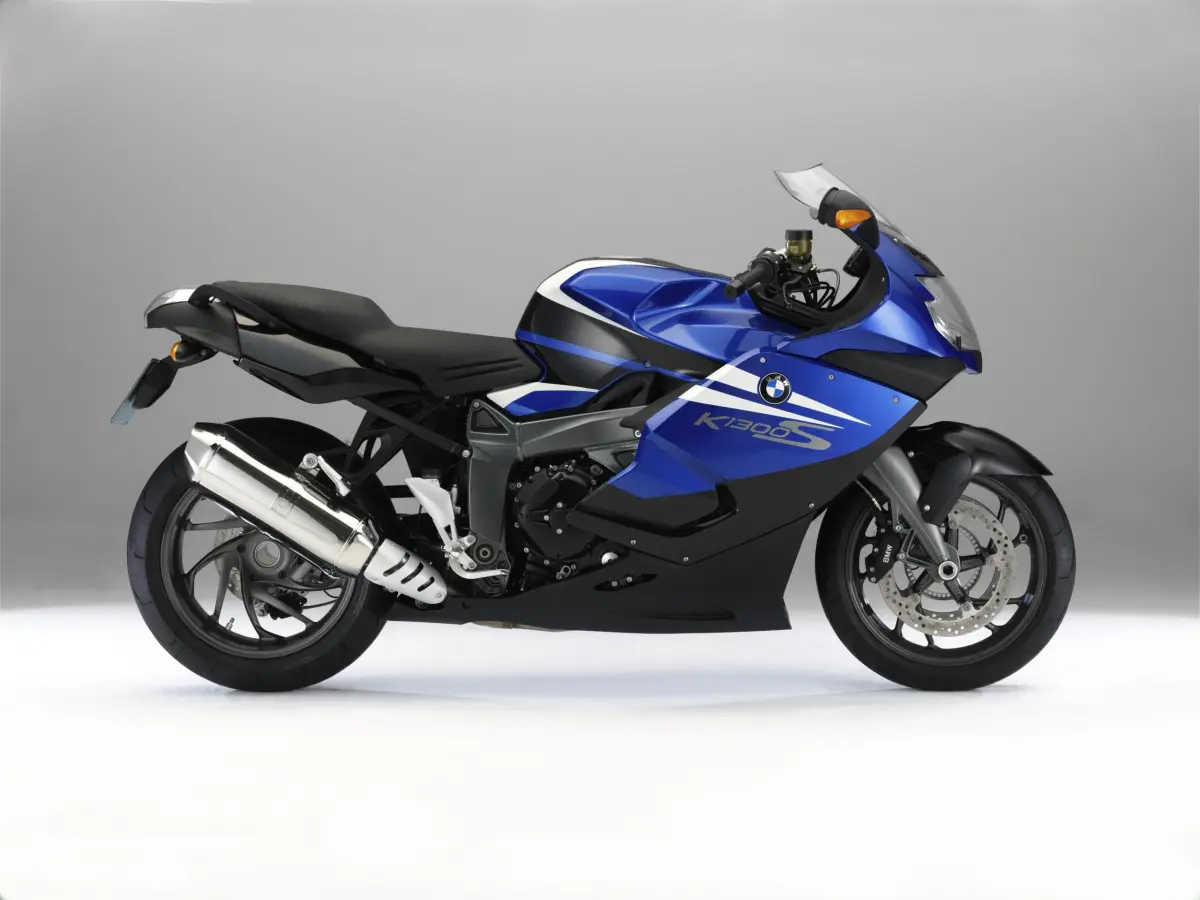
 Tired of motorcycle ergonomic gear picks for less pain that don't deliver? We tested 10 options and found the ones that actually make a difference.
 roundup
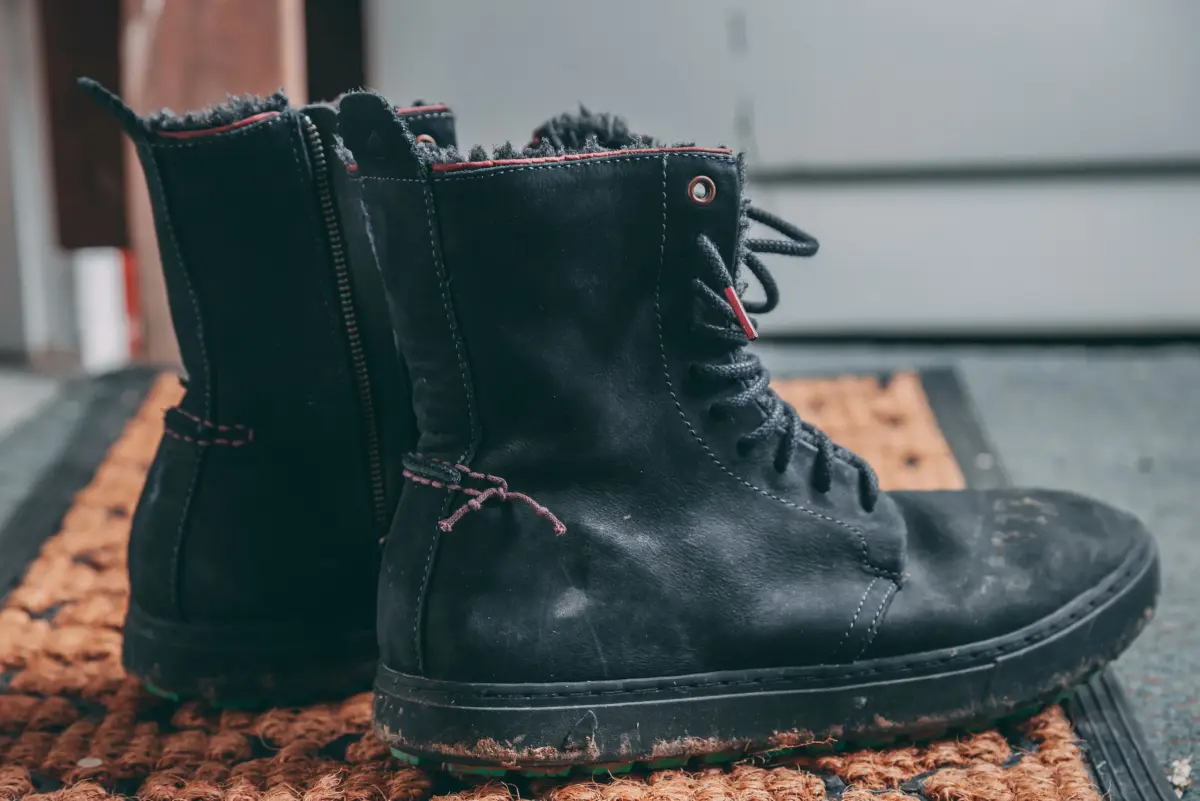
 10 ergonomic boots for all-day comfort reviewed after weeks of testing. We break down pros, cons, and which ones deliver the best bang for your buck in 2026.