 guide
guide Simple Ergonomic Activities That Reduce Pain Across Your Entire Day
Discover ergonomic activities for your desk, kitchen, hobbies, commute, and sleep. Evidence-based tips to reduce strain and prevent injuries in every setting.

Kitchen tools, furniture, garden gear, and comfort products that actually make a difference around the house.

We may earn a small commission through links on this page, at no extra cost to you. As an Amazon Associate, we earn from qualifying purchases. Ratings reflect our own editorial evaluation.
When most people hear "ergonomics," their mind goes straight to office chairs and standing desks. Fair enough.
But your body doesn't clock out when you leave work. You're still chopping vegetables, hauling kids, kneeling in the garden, crocheting on the couch, and lugging groceries up the stairs.
Those activities hammer the same joints and tendons that already took a beating at your desk.
Home ergonomics boils down to getting the stuff you already own to cooperate with your body rather than work against it. A cheap kitchen knife will wreck your wrist just as fast as a bad mouse.
A couch with no lumbar support does the same damage as a $50 office chair. The difference?
Nobody ever thinks to fix the home stuff.
We've tested and reviewed the full spectrum of ergonomic living products here, from kitchen tools and craft supplies to mobility aids. Every section links out to our detailed reviews so you can go deeper on whatever matters most to you.
And we organized it all by room and activity, because that's how real life actually works.
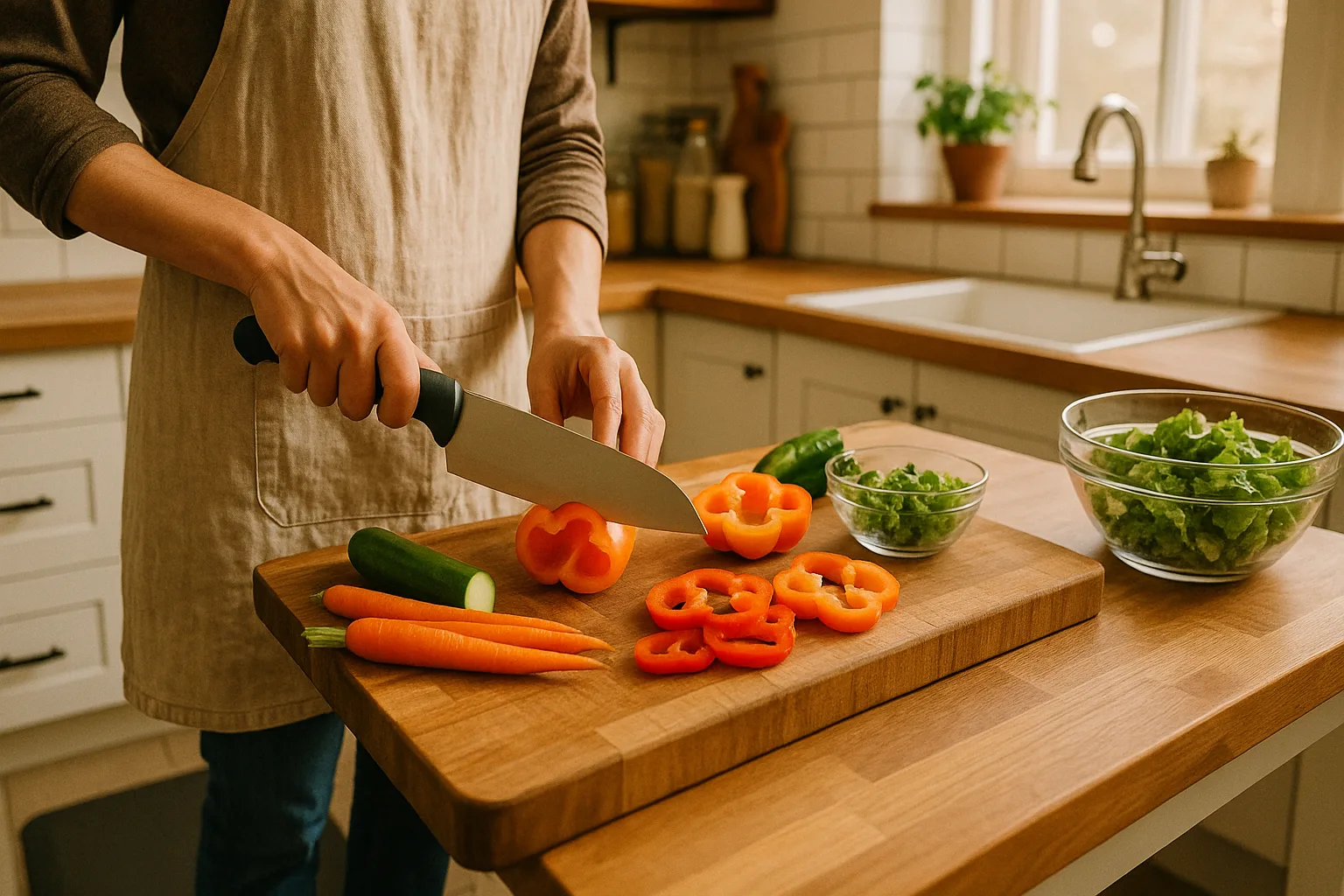
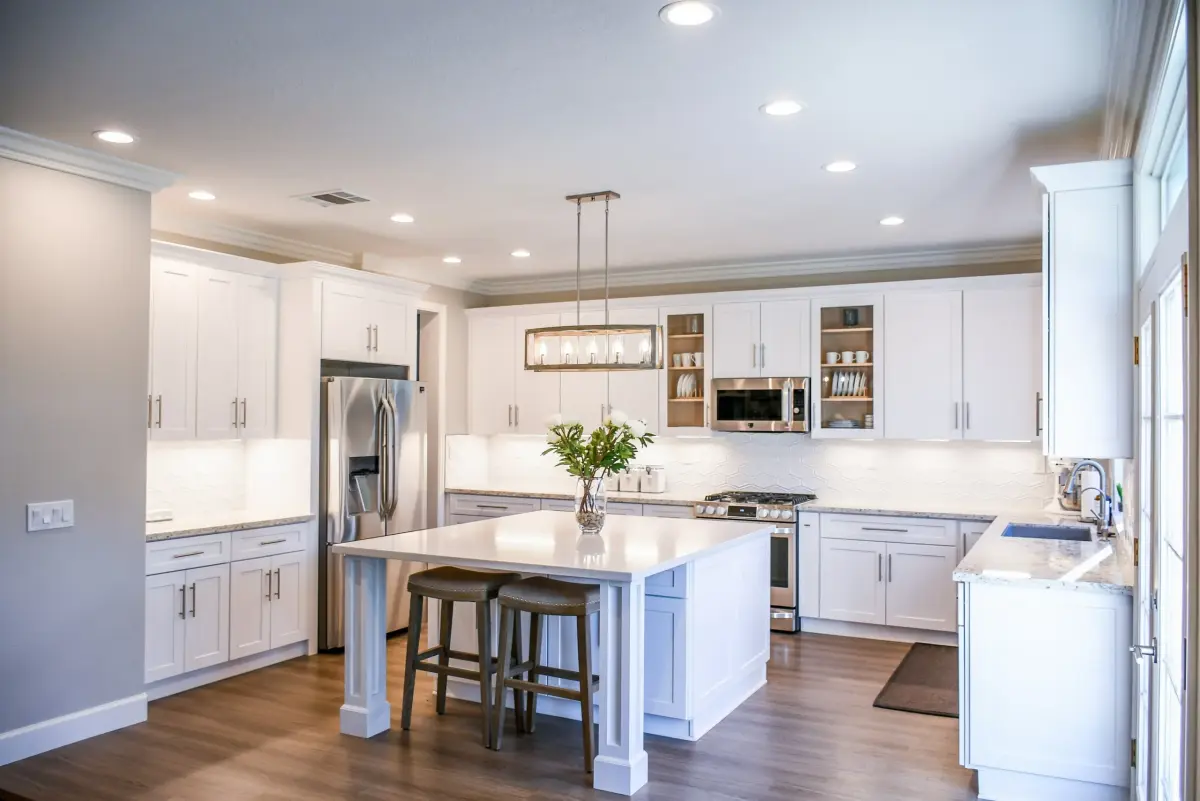
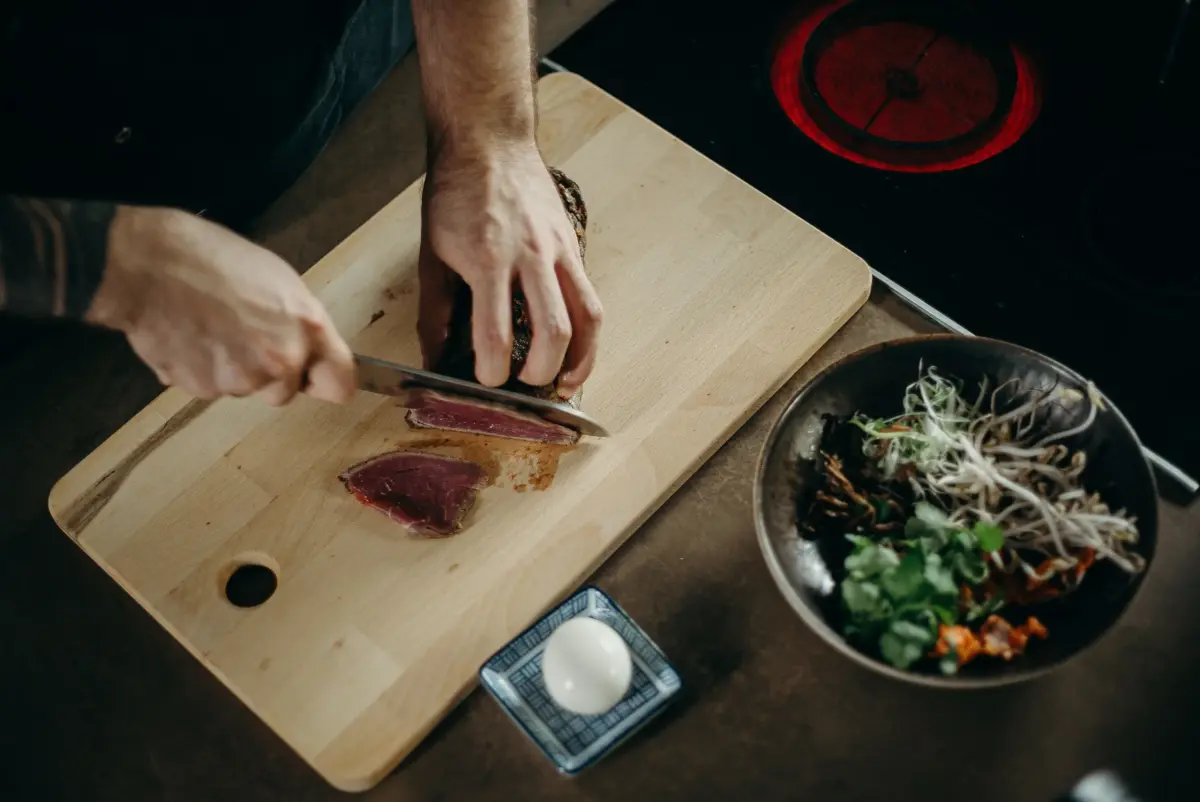
You're in the kitchen every day, sometimes three or four times. Chopping, stirring, gripping jar lids, scrubbing pots.
All repetitive motions, and they pile up faster than you'd think. If your hands feel sore or your back aches after cooking a big meal, the tools you're using are probably a big part of why.
Honestly, the kitchen might be the worst room in most homes from an ergonomic standpoint. Counters are built for someone around 5'9", so shorter and taller folks are constantly reaching up or hunching over.
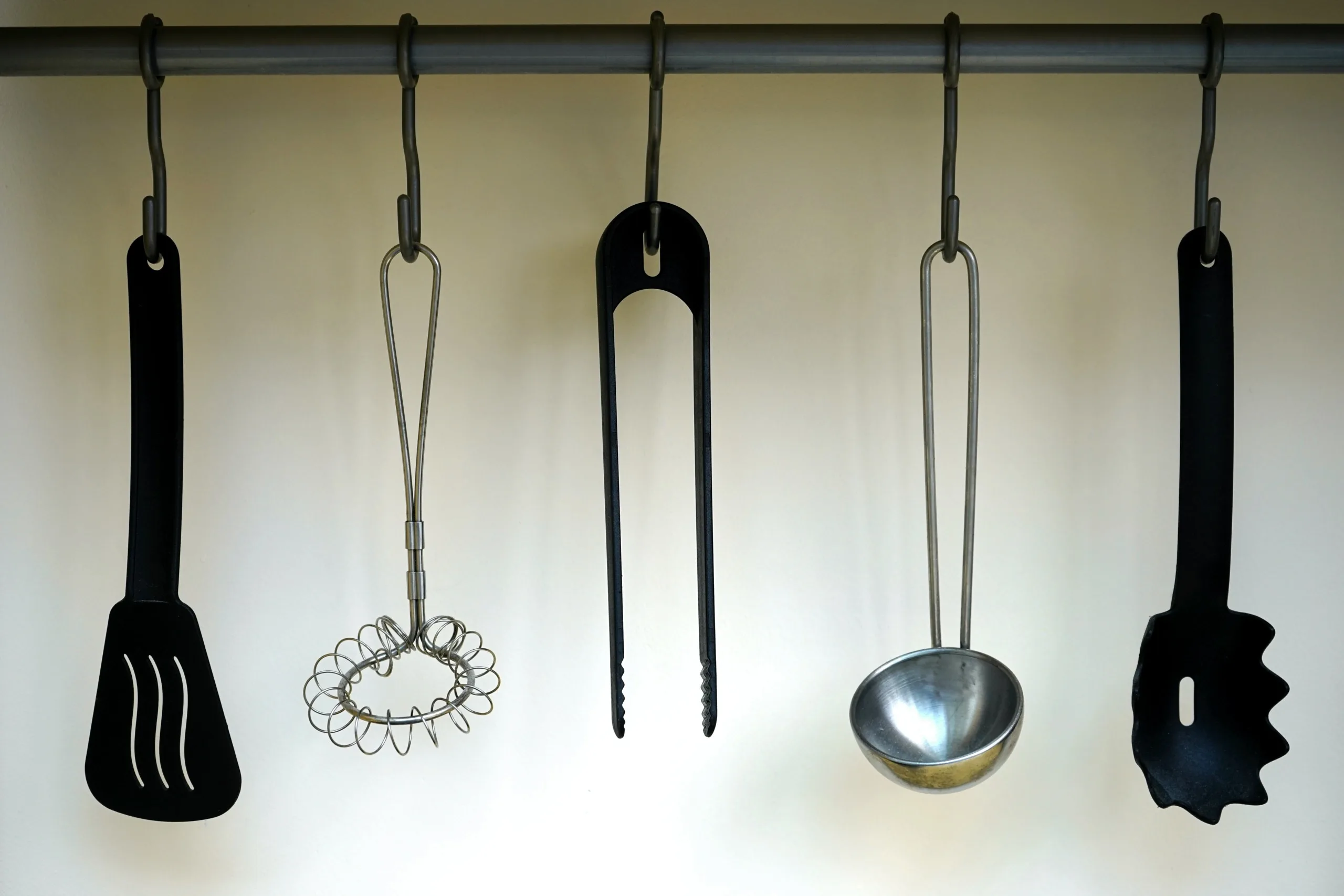
Most kitchen tool sets look nice but ignore grip comfort entirely. And people stand on hard tile for 45 minutes at a stretch without giving it a second thought.
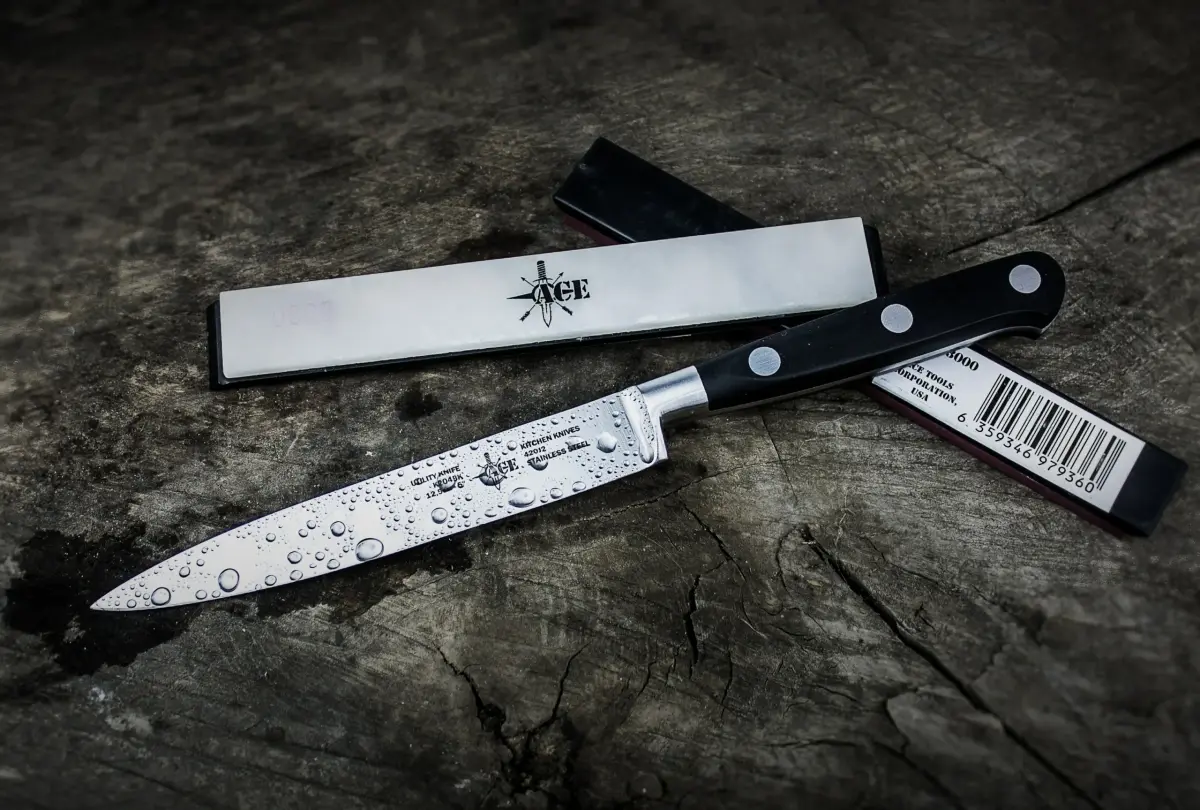
A dull knife is actually more dangerous than a sharp one because you end up pushing harder and losing control. But even a perfectly sharp knife can cause trouble if the handle doesn't suit your grip.
Those standard thin metal handles force you into a tight pinch that tires out your hand fast and loads up the tendons in your wrist.
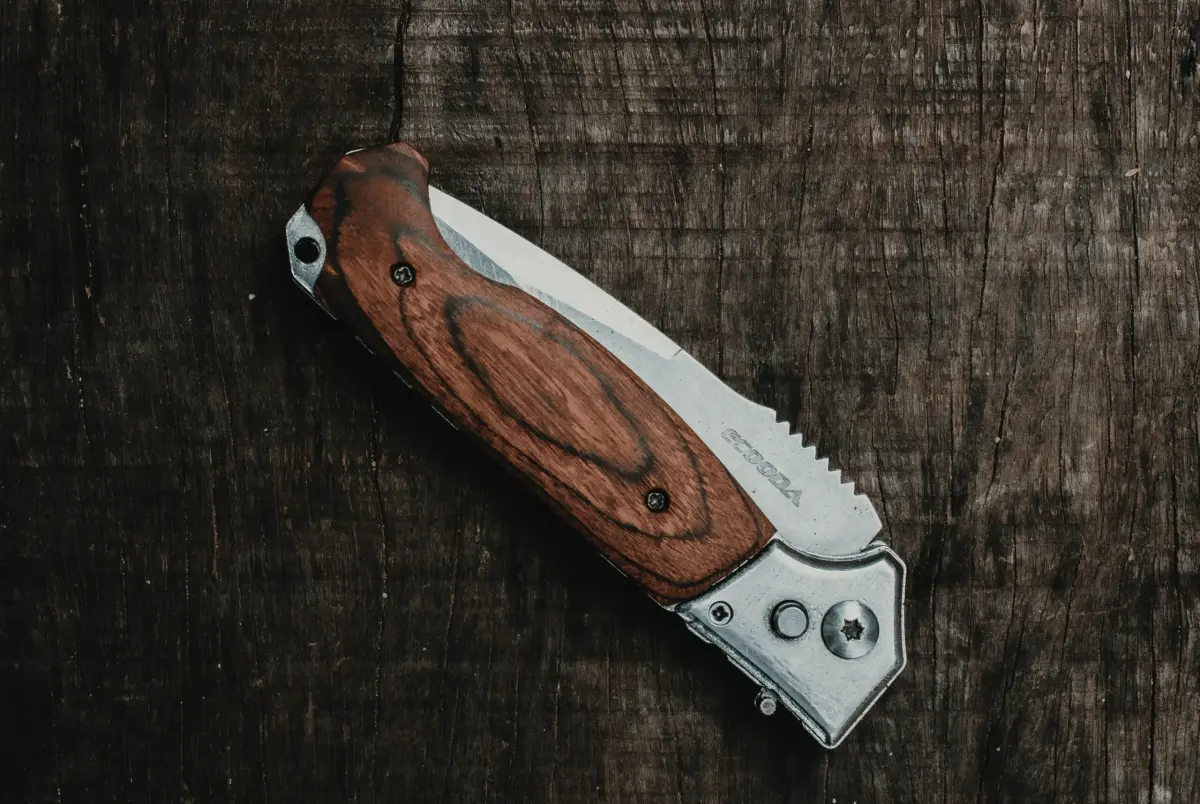
Ergonomic knives feature contoured, wider handles so your whole hand shares the work. Our ergonomic knives guide breaks down the different handle shapes and which ones suit different hand sizes best.
If you cook regularly, a solid ergonomic chef knife is likely the most-used tool in your kitchen, so it's worth spending time on this one.
Jar lids, mixer handles, mop grips. They all need sustained squeezing force, and that wears your hands down quick.
If you've got arthritis or carpal tunnel, you feel it immediately. But even healthy hands give out after enough reps.
An ergonomic jar opener relies on leverage instead of brute grip strength, which is a total game-changer if your hand power isn't what it used to be. Our ergonomic hand mixer guide looks at models with vibration-dampened handles and lighter builds that make a real difference during long baking sessions.
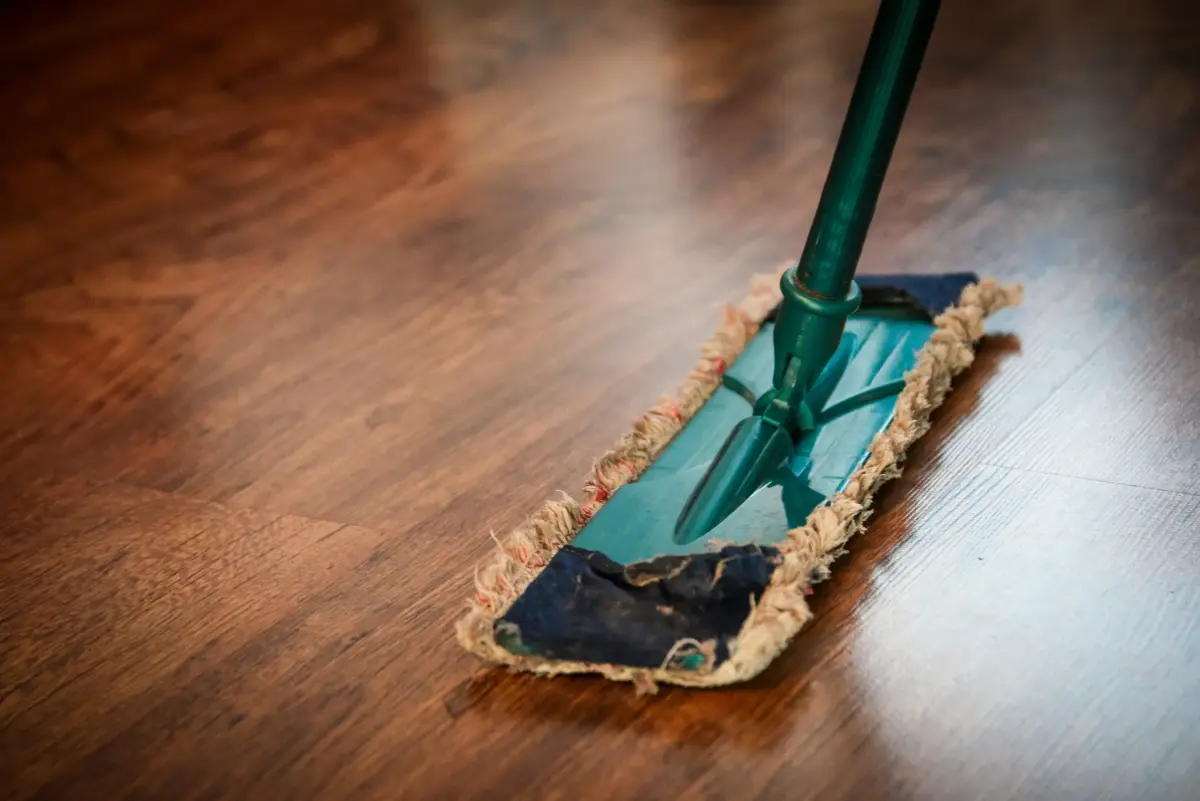
And something as basic as a well-designed mop handle can get rid of the wrist strain that comes from wringing and shoving a heavy mop head back and forth.
People overlook kitchen chairs because they figure they're only sitting there for 20 minutes during a meal. But think about how you really use them.
Helping kids with homework, drinking your morning coffee, prepping food at the island, sorting through bills. Plenty of families log 2-3 hours a day in kitchen seating.
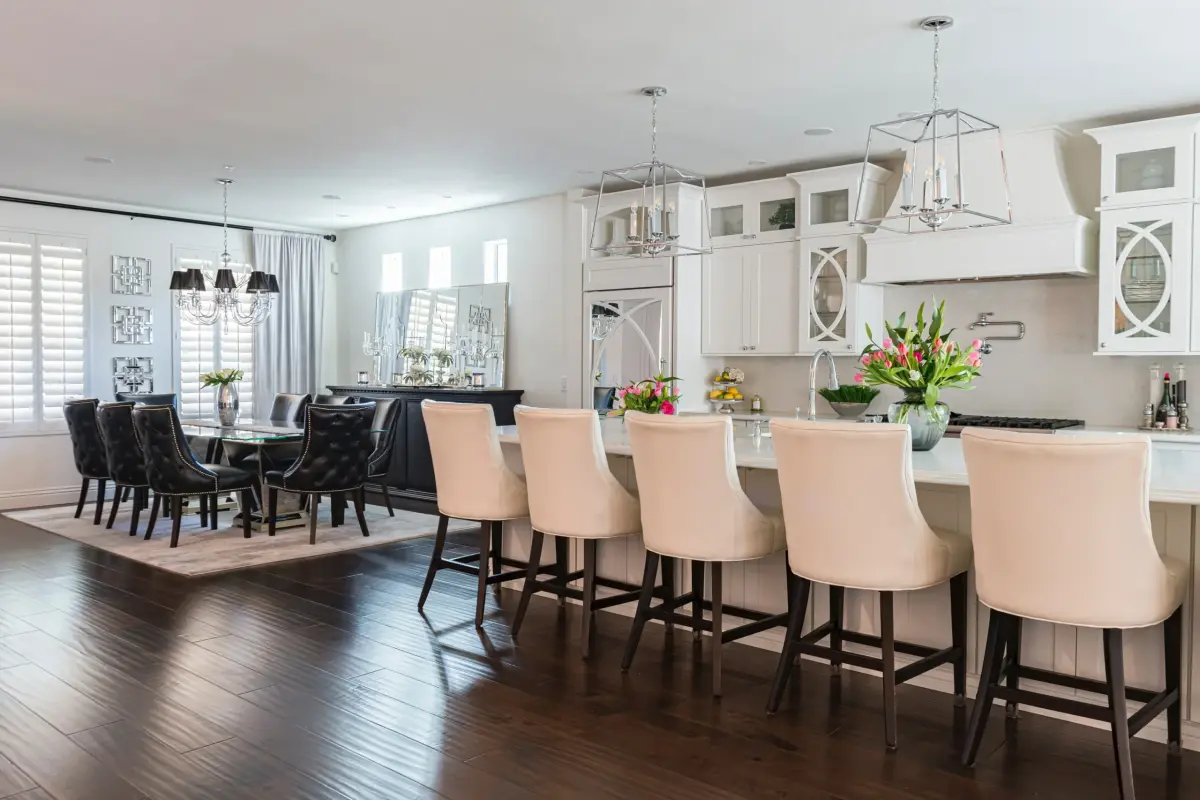
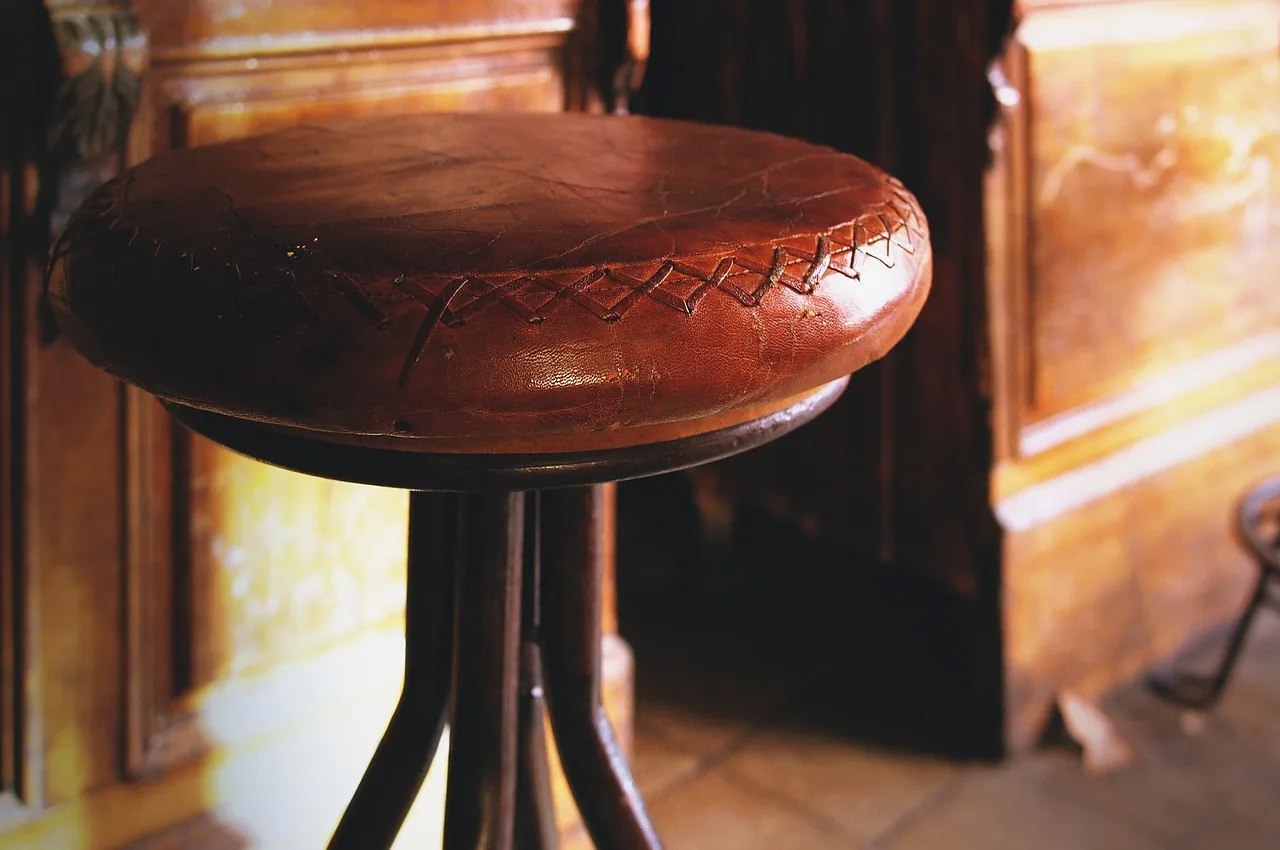
Our ergonomic kitchen chairs guide walks through what makes a seat comfortable for longer stretches without looking like you dragged office furniture into your dining room. Bar stools are trickier still, because height and footrest placement matter way more than people realize when you're perched up at a counter.
A few kitchen products solve very particular problems. Ergonomic baby spoons are shaped for tiny hands that are still figuring out motor control.
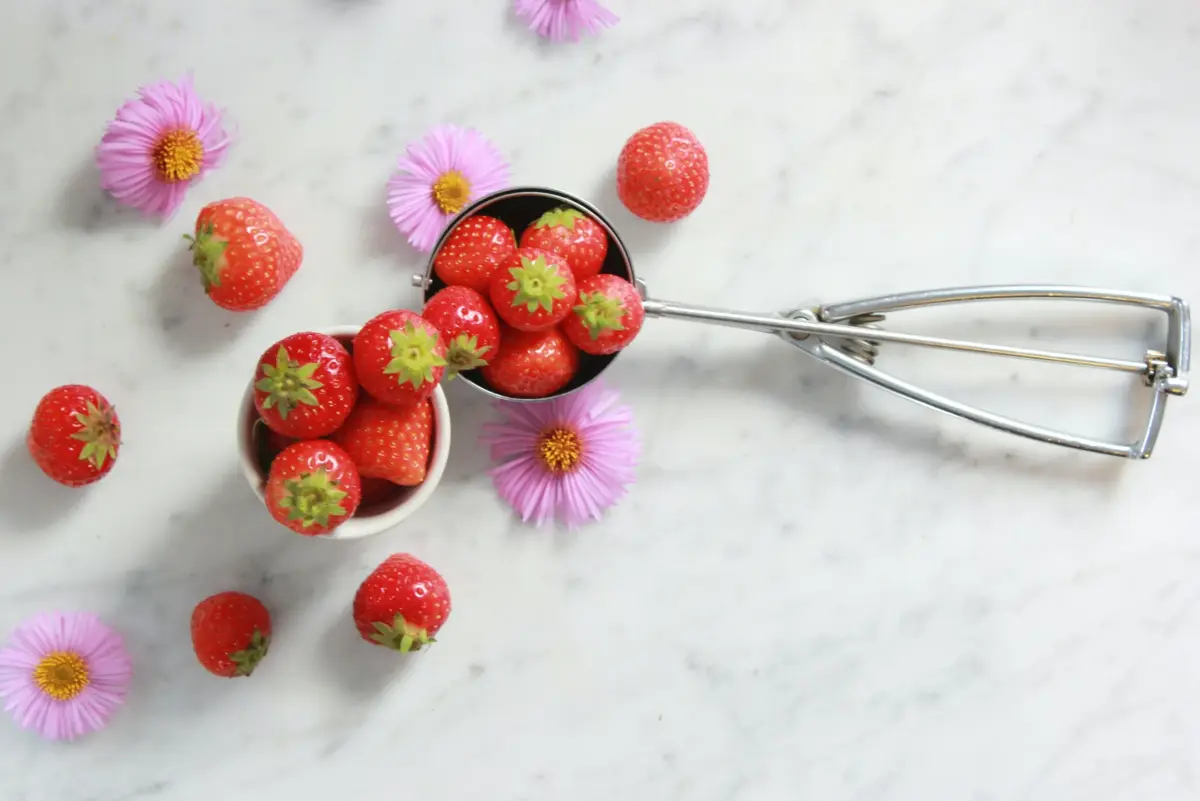
Elevated dog bowls keep your pet's neck in a natural position and spare you from bending to the floor twice a day. A solid ergonomic scoop takes the wrist strain out of portioning ice cream or dishing out pet food.
If you want the bigger picture on how your kitchen layout affects your body, our kitchen ergonomics overview and ergonomic kitchenware roundup go over everything from counter height to where you store your heavy pots.

Home furniture has a fundamental design problem. Manufacturers build for showroom appeal, not for how your spine feels three hours into a movie.
What you end up with is furniture that photographs beautifully and slowly wrecks your posture.
The good news? Ergonomic home furniture has improved a ton in recent years.
You don't have to pick between something that looks nice and something that actually supports your back. You just need to know which features are worth paying attention to.
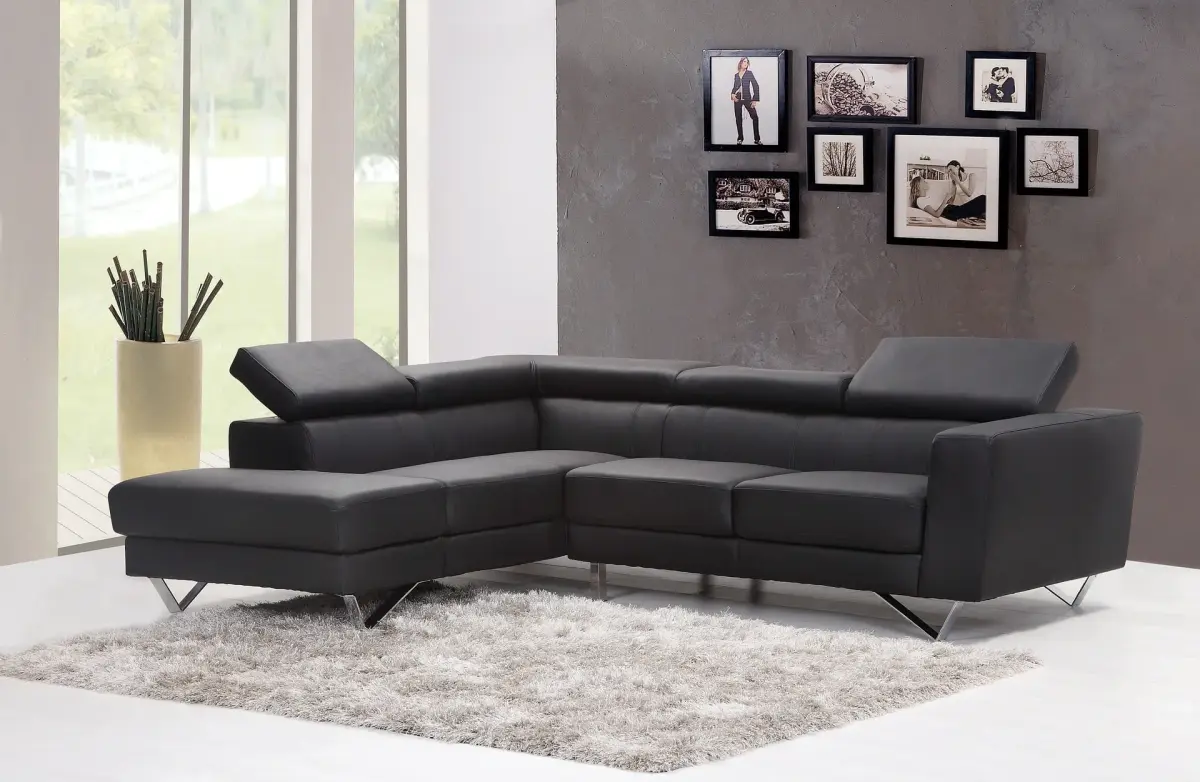
Most couches are way too deep from front to back. Your back can't reach the backrest unless your knees are hanging past the seat edge, and that means you either slouch or end up cramming pillows behind you.
A good ergonomic couch sits at 20 to 22 inches deep for average-height adults, with cushions firm enough that you don't sink into a shapeless heap.
Our ergonomic couch guide covers what matters in frame construction, cushion density, and back support. Short on space?
Our ergonomic loveseat guide reviews smaller options that still give your back what it needs. If you park yourself in the same seat every evening, picking one with solid lumbar support and a headrest will make a noticeable difference in how you feel by bedtime.
A dining chair should hold your spine in a neutral position without you having to think about it. That means a gentle lumbar curve in the backrest, a seat height that lets your feet sit flat on the floor, and enough padding to stay comfortable through a long dinner.
Hard wooden chairs are the biggest culprits here. Sure, they look timeless.
But they offer zero cushioning and the flat backs actively fight your spine's natural curve. Our ergonomic dining chairs guide reviews options that look good and actually feel good too.
A well-built recliner supports you from head to toe when you lean back, spreading your weight across a bigger surface area. That takes the load off your spine and lets your back muscles genuinely relax, which a standard upright chair simply can't do.
What you want to look for: adjustable recline angles, lumbar support that stays in contact with your lower back through the full recline range, and a footrest that extends far enough to support your calves without digging into the backs of your knees. Our ergonomic recliners guide, leather recliner review compare different styles and price points.
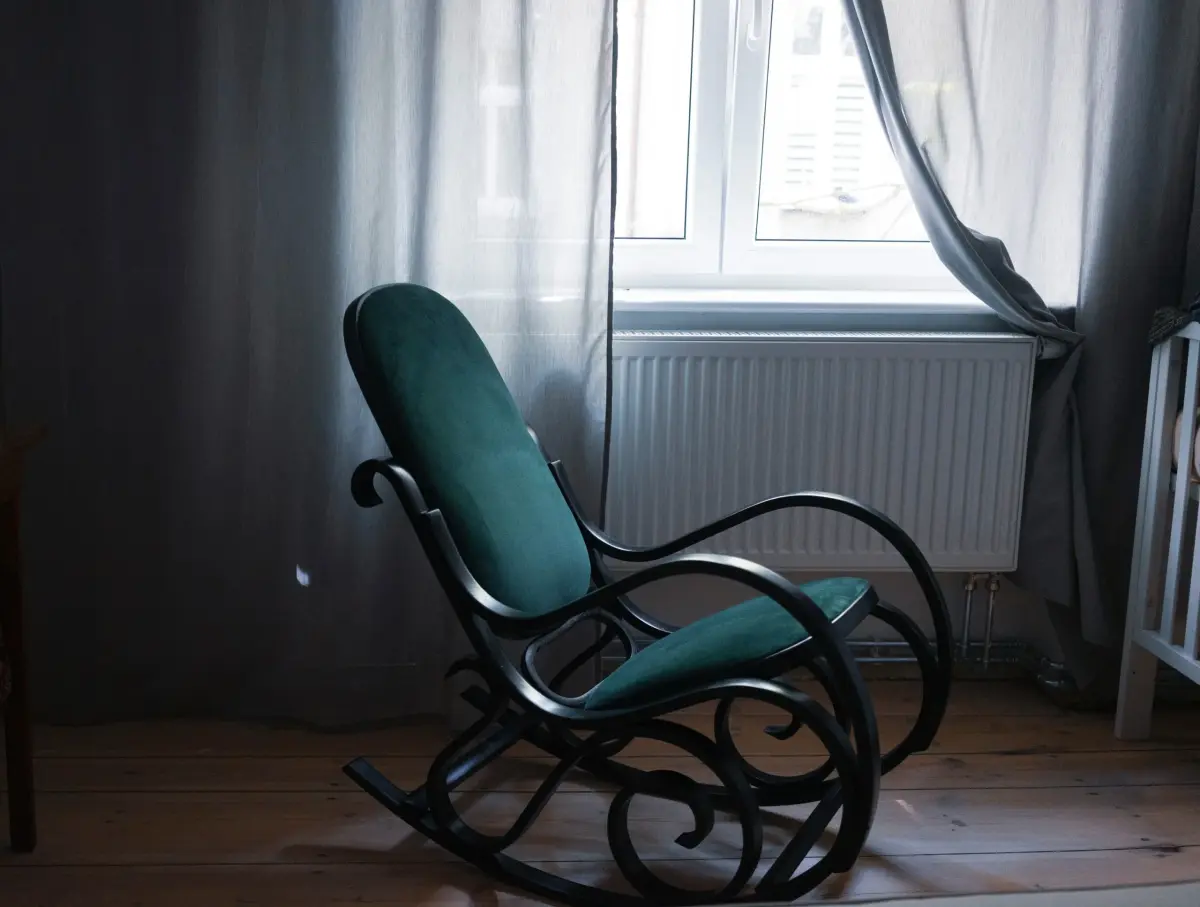
Rocking chairs aren't just for grandparents on the porch. That gentle rocking motion fires up your core muscles and keeps blood circulating through your legs, which is genuinely better for your body than sitting perfectly still.
Our ergonomic rocking chair guide reviews models built with real back support.
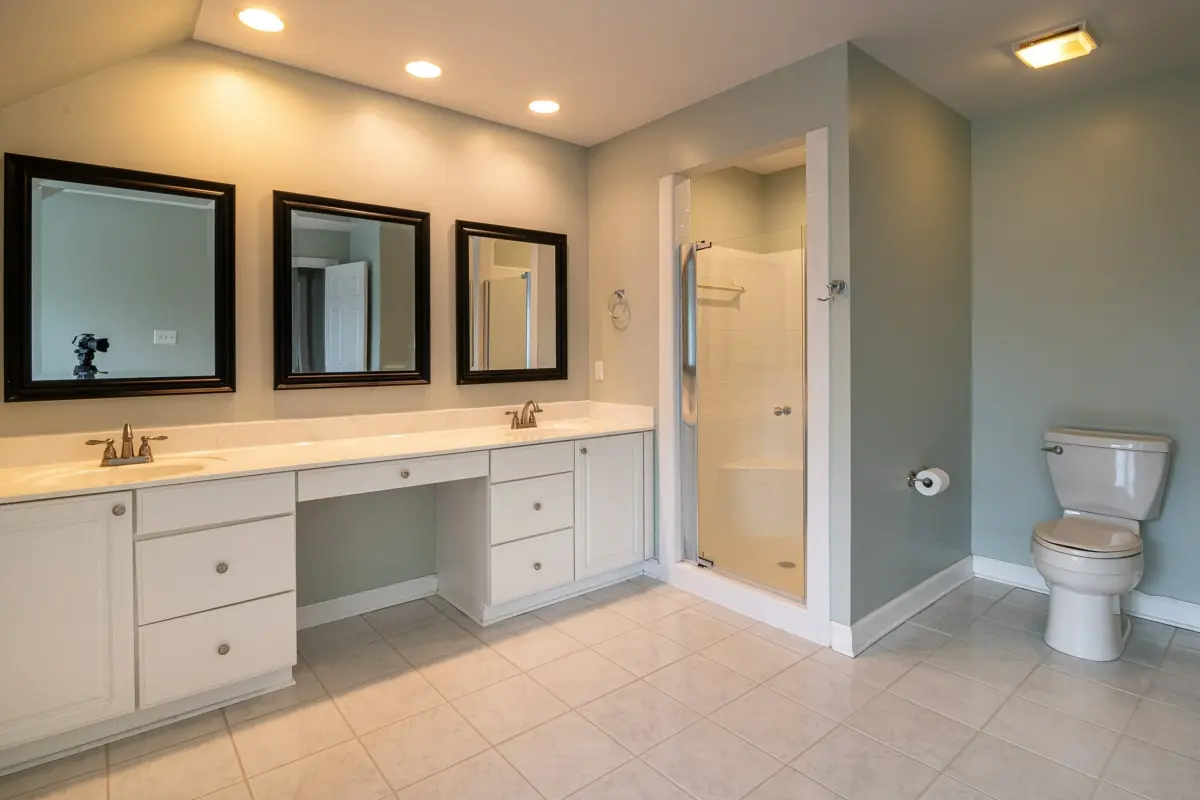
In the bathroom, the ergonomic bathtub guide looks at tub designs that support comfortable soaking and safe entry and exit. The ergonomic toilet guide tackles seat height and positioning, which matters way more than people think, particularly if you've got hip or knee issues.
For outdoor use, our beach chair review covers portable options that won't leave your back in knots.
| Furniture Type | Key Ergonomic Feature | Common Problem It Solves | Price Range |
|---|---|---|---|
| Couch | Right seat depth (20-22") | Slouching and lower back pain | $600 to $2,000 |
| Dining Chair | Lumbar curve and cushioning | Stiff, sore back after meals | $100 to $400 each |
| Recliner | Multi-angle recline with leg support | Spine compression and poor recovery | $400 to $1,500 |
| Rocking Chair | Active sitting motion | Stiffness from sitting still too long | $150 to $600 |
| Bar Stool | Footrest and swivel base | Legs dangling, hip strain | $80 to $350 each |
| Kitchen Chair | Padded seat with back support | Discomfort from long sitting sessions | $80 to $300 each |
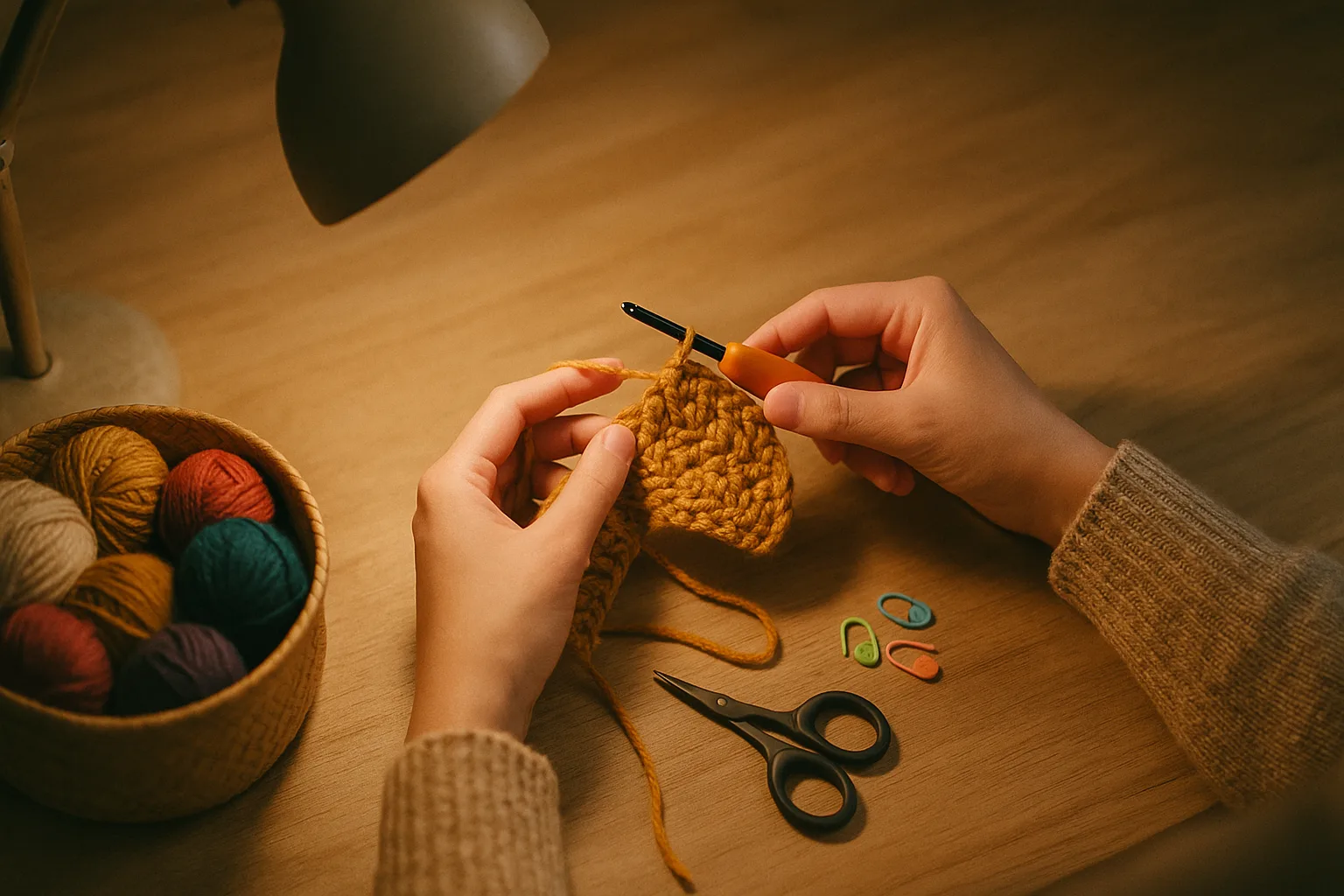
Crafting is where repetitive strain injuries really sneak up on you. You're relaxed, enjoying yourself, totally in the zone.
Then you set down the crochet hook two hours later and your fingers won't straighten out.
The core issue is that most craft tools were designed decades ago with absolutely no thought given to hand ergonomics. Thin metal crochet hooks, straight knitting needles, narrow pencil barrels.
They all force a tight pinch grip that overworks the small muscles and tendons in your fingers and thumbs.
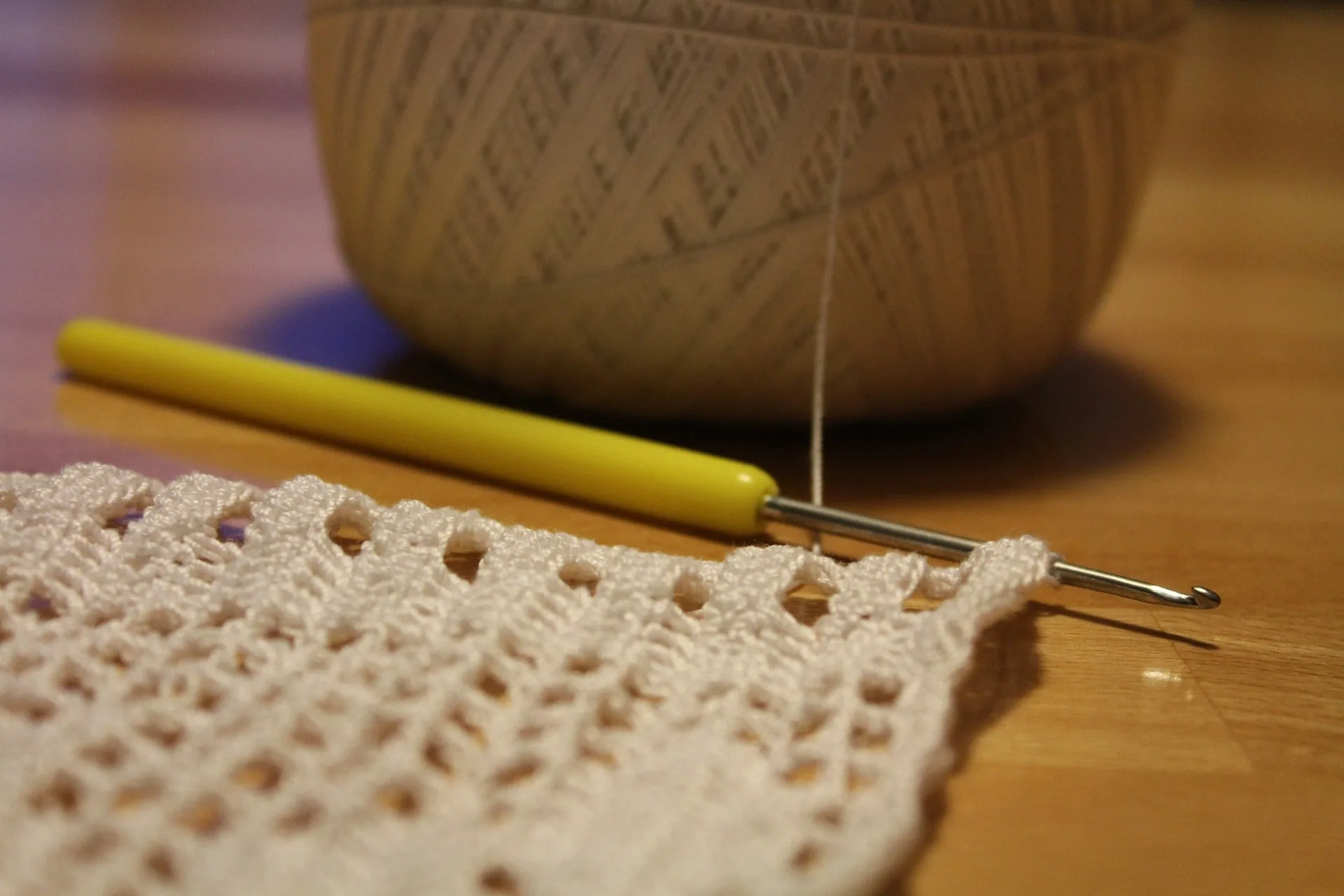
Standard crochet hooks are basically metal or plastic sticks. They demand a constant pinch grip that strains the muscles at the base of your thumb and runs tension up through your forearm.
After 30 minutes, a lot of people get numbness or cramping. Keep that up for a few years and you're looking at chronic tendonitis.
Ergonomic hooks fix this with wider, cushioned handles that let your hand wrap around the tool rather than pinch it. Some go with a flat grip design, others are fully contoured.
Our ergonomic crochet hooks guide compares the main styles. Already own hooks you love but want a better grip?
Our crochet handle guide covers add-on grips that retrofit onto standard hooks. Our crochet hooks guide also covers inline hook options for a totally different hook geometry.
Ergonomic knitting needles work on similar principles. Lighter materials cut the sustained load on your hands, and textured surfaces mean you don't need to grip as hard to maintain control.
Circular needles also spread weight more evenly than long straights, which really helps with shoulder fatigue on bigger projects.
If you write, sketch, or do any hand lettering, what you're holding matters more than you'd expect. A thin, round pencil barrel forces a death grip just to keep control.
Your fingers cramp up, your forearm gets tight, and your handwriting goes downhill as fatigue takes over.
An ergonomic mechanical pencil with a wider barrel and cushioned grip zone cuts finger pressure by 30-40% versus a standard pencil. For calligraphy and lettering, an oblique pen holder angles the nib so your hand can stay neutral instead of twisting to hit the right stroke angle.
Our pencil holder guide covers grip aids that work with pretty much any writing instrument.
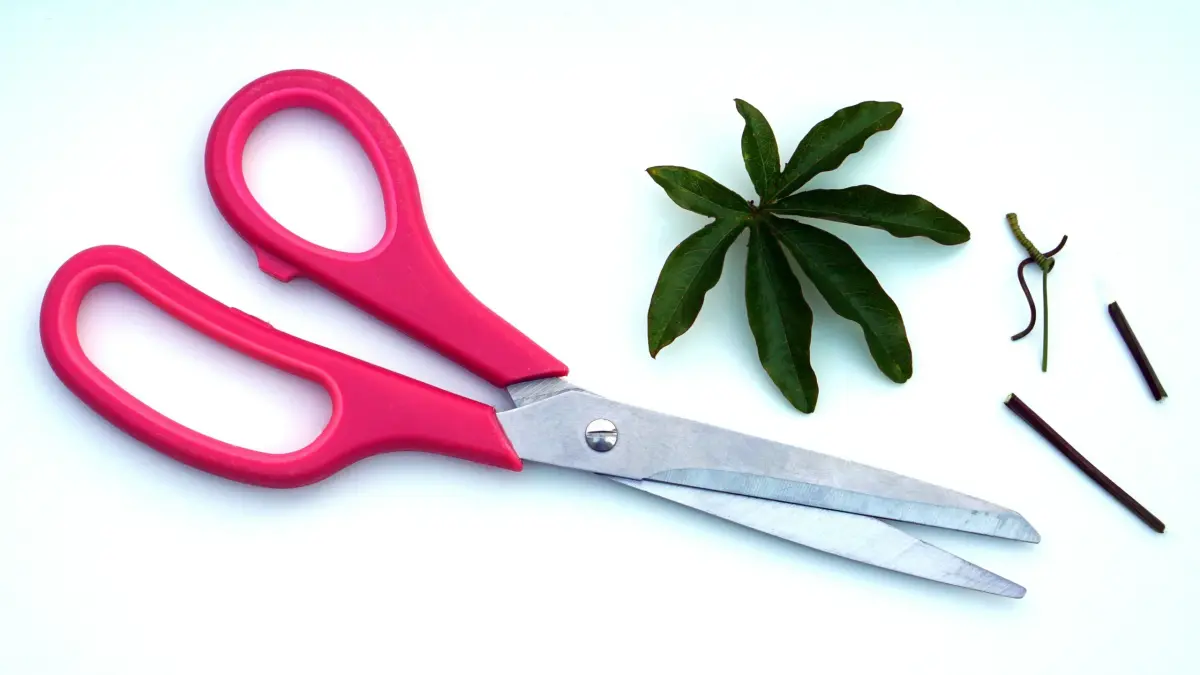
Scissors are deceptively tough on your hands. That repeated open-close motion paired with cutting force can irritate the tendons in your thumb and fingers way faster than you'd think, especially with fabric or cardboard.
Our ergonomic scissors guide reviews models with spring-loaded returns and cushioned finger loops that seriously reduce fatigue.
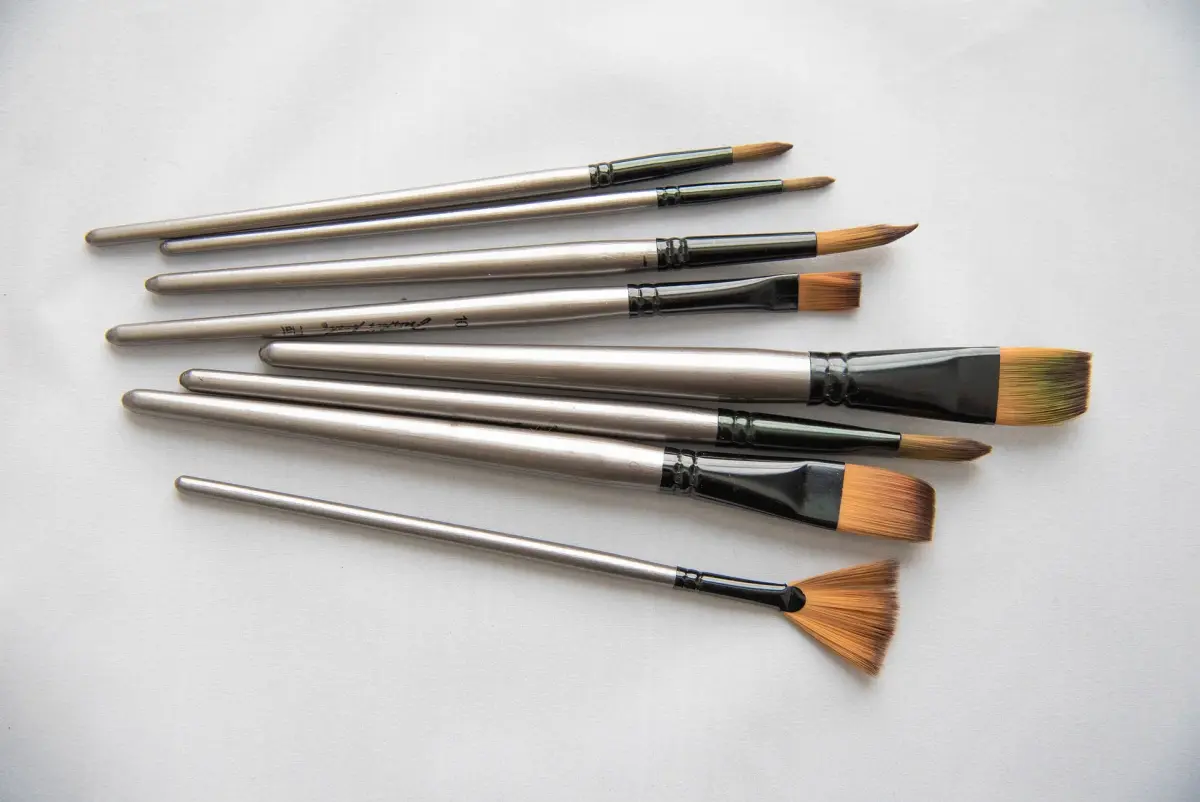
For heavier cutting jobs, ergonomic shears with offset handles keep your hand and forearm in a more natural alignment. And if you paint, an ergonomic paint brush with a wider, contoured handle takes a lot of the finger strain out of long sessions.
What you put on your body and carry around affects your posture and joint health just as much as the furniture you sit on. A lousy backpack strains your shoulders and compresses your spine.
Unsupportive shoes alter your gait and send problems rippling up into your hips and lower back.
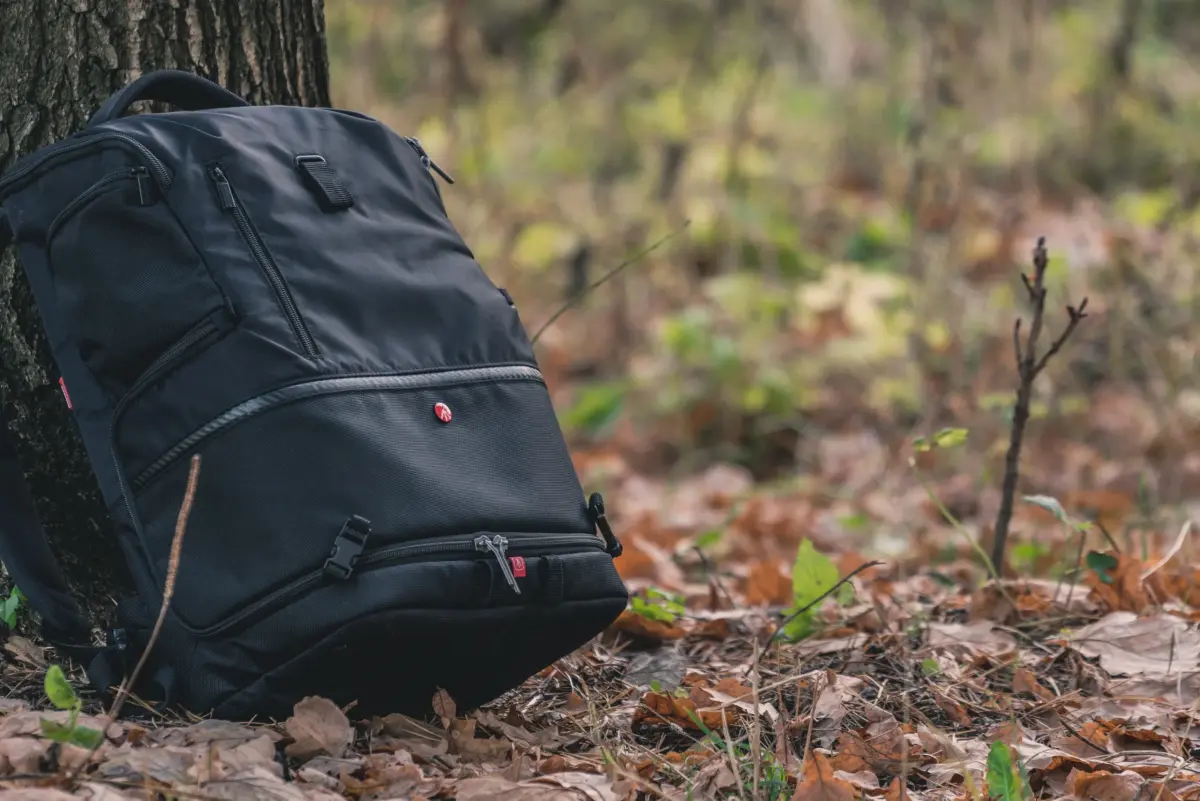
An ergonomic backpack spreads weight across both shoulders and uses a hip belt to shift the heaviest loads onto your pelvis, where your skeleton can actually handle it. That's a totally different approach from a regular backpack that hangs everything off your trapezius muscles.
For parents, an ergonomic hipseat carrier moves your child's weight off your arms and shoulders and onto a structured hip shelf. It cuts down on the lopsided loading that gives so many parents one-sided back pain.
Our shoulder strap guide covers aftermarket straps that can upgrade almost any bag you already own.
Your feet are the foundation for everything above them. Flat, unsupportive shoes let your arches collapse, which rotates your knees inward, tilts your pelvis, and compresses your lower spine.
It's a chain reaction that starts at the ground.
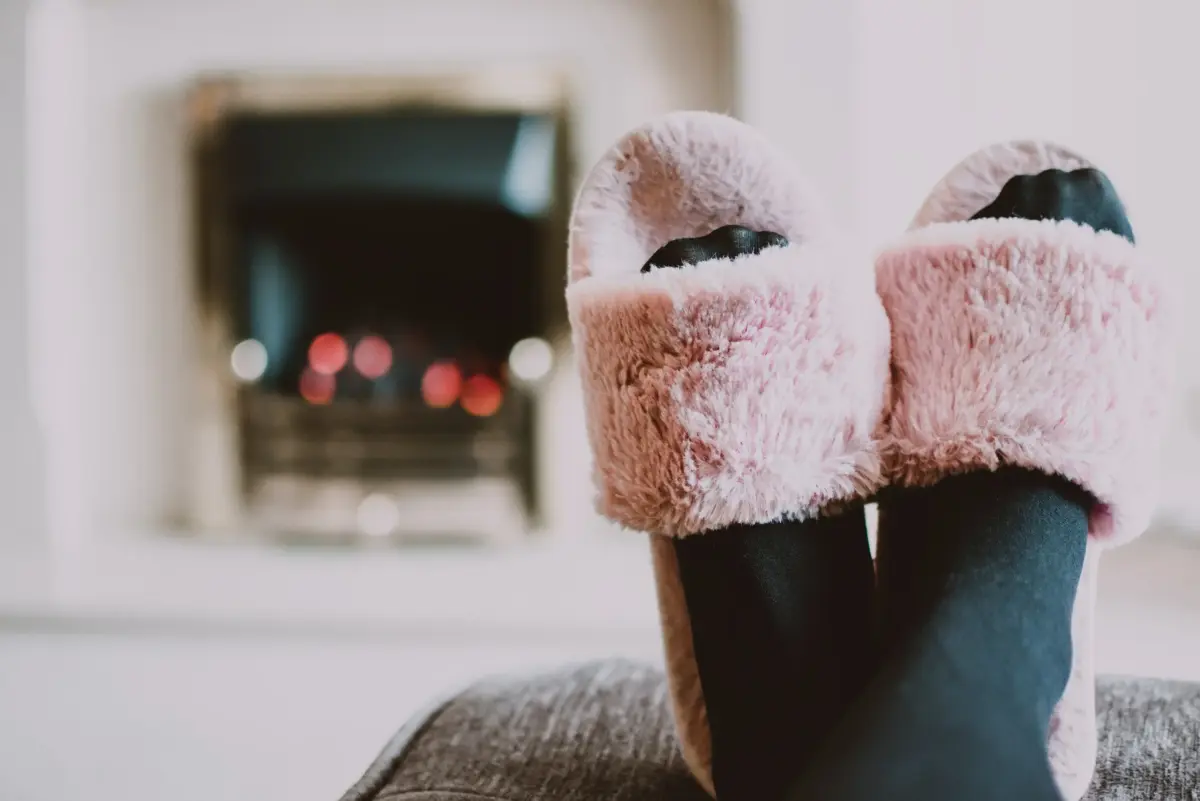
Ergonomic slippers with arch support and structured soles make a real difference if you spend hours on hard floors at home. Ergonomic boots with solid arch support and shock-absorbing soles protect your feet and joints during outdoor work or cold-weather activities.
Even ergonomic underwear helps reduce chafing and gives you better support on active days.
The little daily tools add up more than you'd think. An ergonomic hair brush with a contoured handle and flexible pad cuts wrist strain during brushing, and that matters when you're doing it twice a day, every day.
An ergonomic toothbrush with a wider grip and angled head lets you reach every surface without twisting your wrist into weird angles.
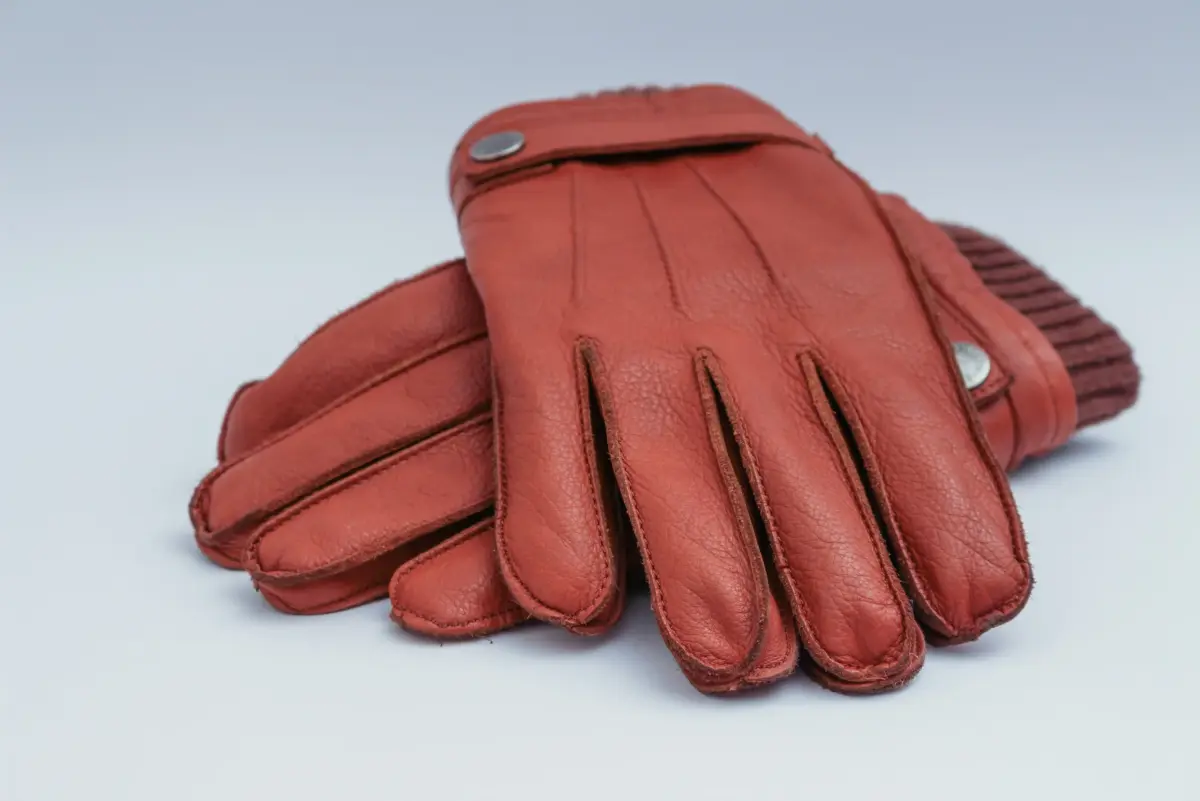
Ergonomic gloves with pre-curved fingers and padded palms protect your hands during cleaning, gardening, or any task where you need dexterity and protection at the same time. They're a small investment that prevents blisters, calluses, and compression strain.

Yard work and workshop projects involve some of the highest grip forces you'll encounter in everyday life. Pruning branches, pulling weeds, squeezing pliers, cutting wire.
These activities demand sustained gripping that wears out your hand muscles and fires up your tendons.
It gets worse because most garden and hand tools are designed for a standardized (read: average male) hand size. If your hands are smaller, bigger, or weaker than that assumed standard, every single tool is harder to use than it should be.
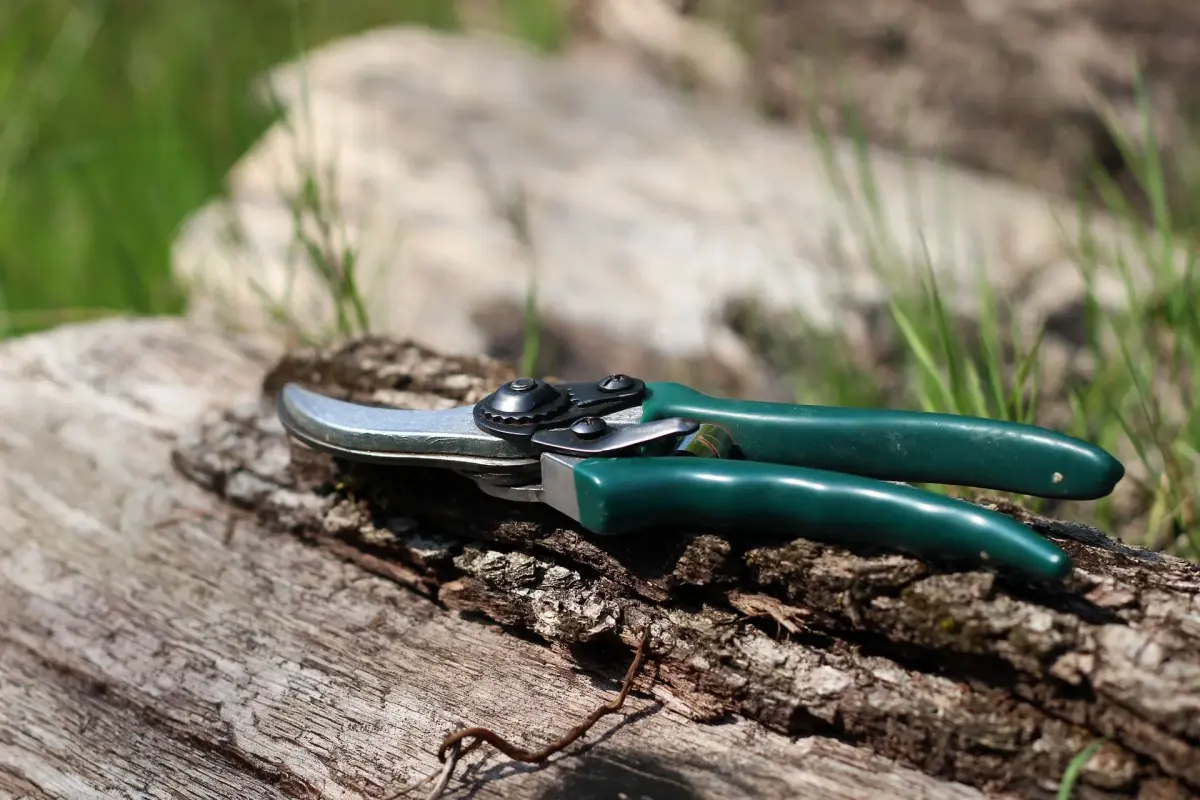
Our ergonomic garden tools guide covers trowels, pruners, rakes, and other yard tools that have been redesigned with padded grips, angled handles, and leverage-based cutting mechanisms. The best ones extend your reach so you bend less and let mechanical advantage do the heavy lifting instead of brute force.
Ergonomic garden shears with spring-loaded returns deserve special attention. Regular shears make you open and close them entirely with hand force.
Spring-assisted shears only require your squeeze on the cut itself, and the spring pops them back open for you. Over a full day of pruning, that one difference saves your hands from serious fatigue.
Same principles apply once you move indoors. Ergonomic hand tools use wider, cushioned grips and leverage-optimized designs so you can work longer with less strain.
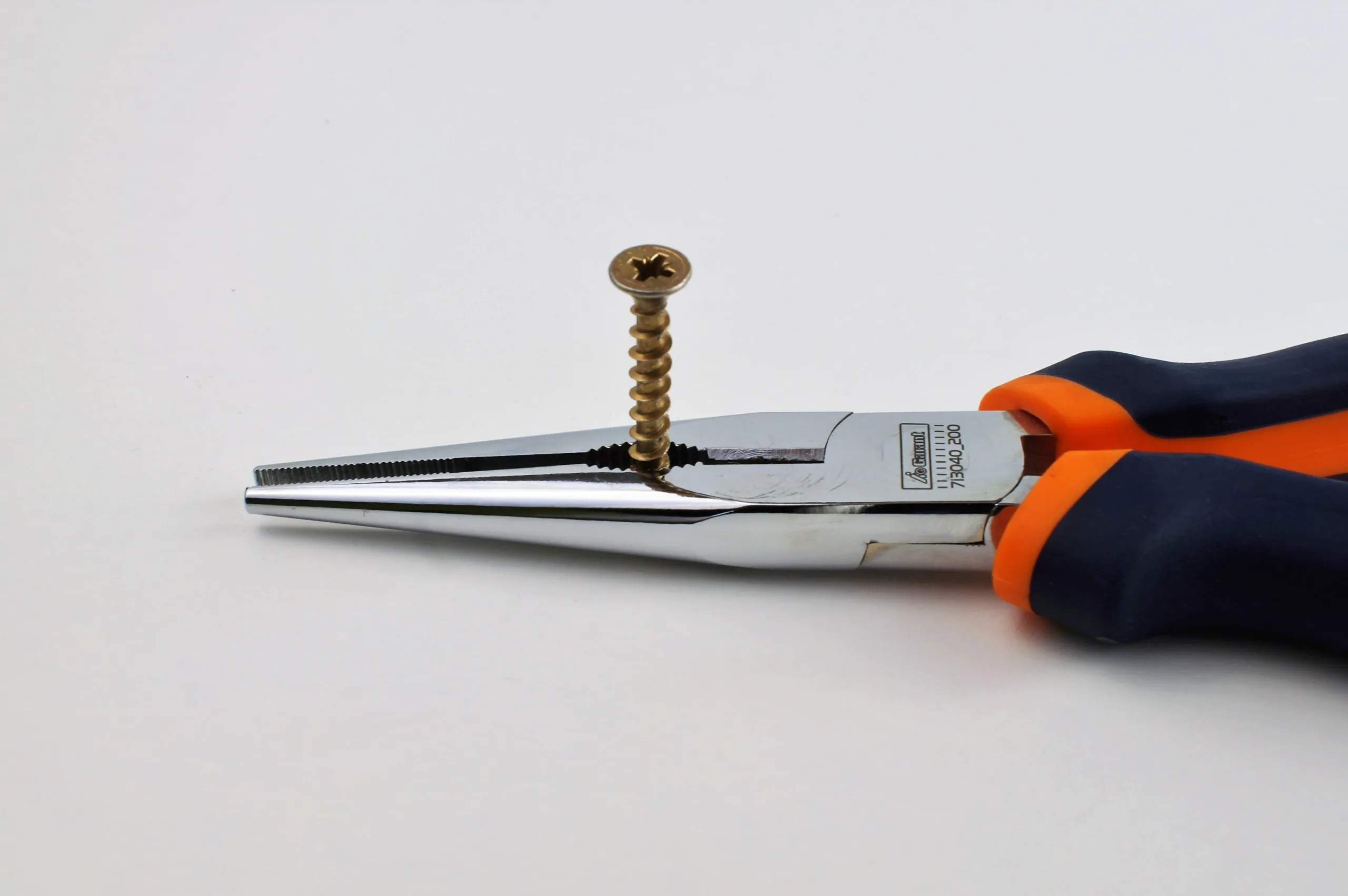
Ergonomic pliers with compound leverage mechanisms multiply your grip force, meaning a moderate squeeze delivers the same clamping power as a white-knuckle grip on regular pliers.
Wire cutters with ergonomic handles and precision cutting edges bring down the force you need per cut. Ergonomic box cutters and utility knives give you wider handles, blade guards, and cutting mechanisms that don't require you to push force through a skinny grip.
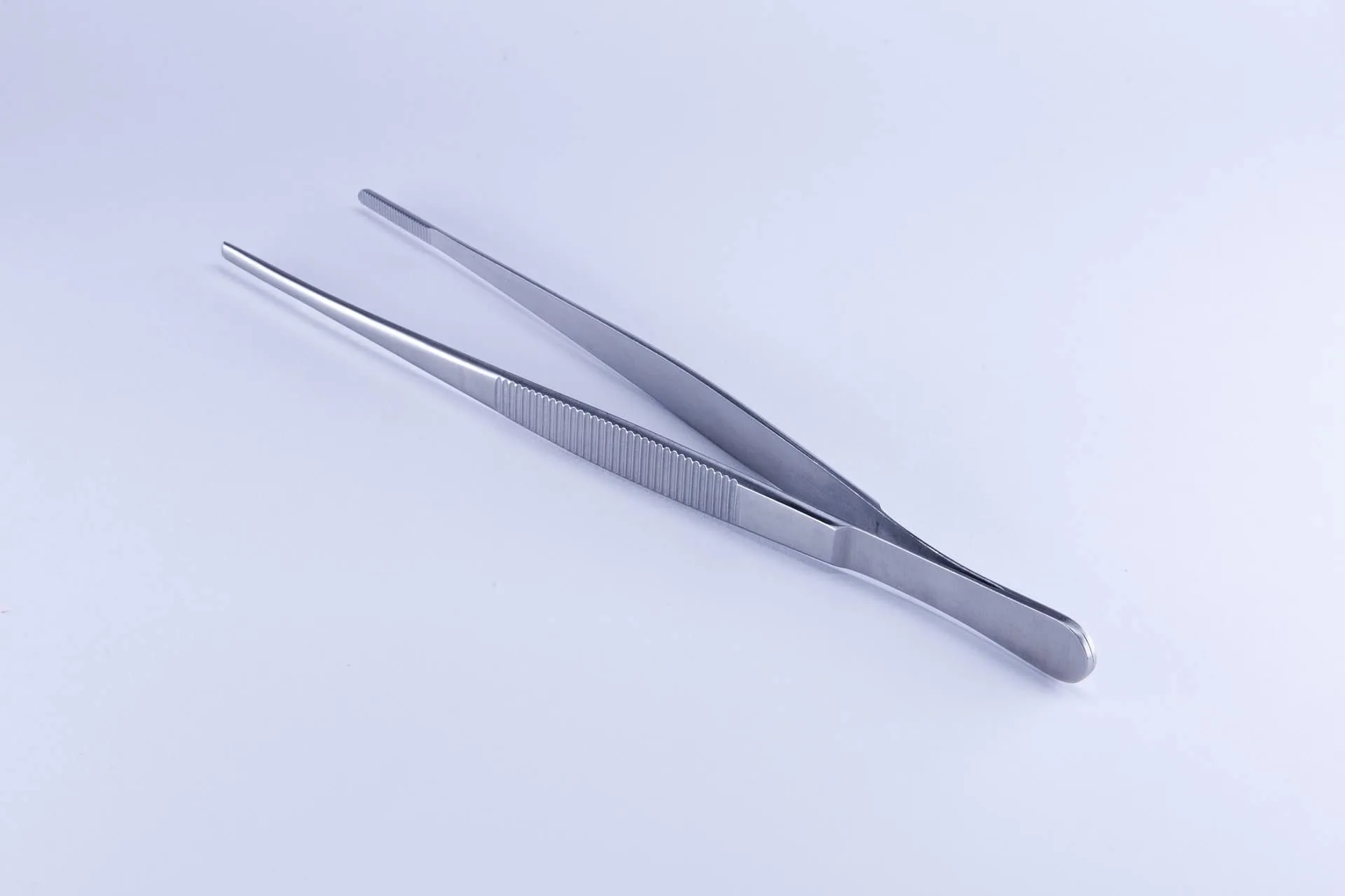
Our forceps guide and tweezers guide cover precision gripping tools for detail-oriented work.
| Tool Category | Standard Tool Problem | Ergonomic Solution | Expected Benefit |
|---|---|---|---|
| Garden Pruners | Every cut needs full hand force | Spring-assisted return with ratchet mechanism | 50-70% less hand fatigue |
| Pliers | Narrow handles requiring high squeeze force | Compound leverage with padded grips | 2-3x grip force multiplication |
| Craft Scissors | Repetitive open-close with hard finger loops | Spring return and cushioned loops | Reduced tendon irritation |
| Box Cutters | Thin handle with push-through force | Wide ergonomic handle with retractable blade | Better control and less wrist strain |
| Kitchen Knives | Thin handle forcing a pinch grip | Contoured wide handle with balanced weight | Reduced hand cramping |
| Crochet Hooks | Narrow barrel with sustained pinch grip | Cushioned wide handle | Pain-free crafting for longer sessions |
Not every ergonomic product is about the work you do. Some are about how you rest and recover in between.
Your sleep position, your meditation posture, even the surface you're standing on all play into how your body feels from one day to the next.
A pillow has one job: fill the gap between your head and the mattress while keeping your cervical spine neutral. Too thick and it pushes your head forward.
Too thin and your head drops sideways if you're a side sleeper.
Our ergonomic pillows guide covers contoured memory foam, adjustable-fill, and cervical roll designs. The right choice depends entirely on how you sleep.
Side sleepers need a thicker pillow than back sleepers, and stomach sleepers need the thinnest option out there (or ideally, no pillow at all).
Sitting cross-legged on a flat floor tilts your pelvis backward and rounds out your lower spine. You can fight through it with core strength, but that kind of defeats the whole point of trying to relax.
An ergonomic meditation cushion raises your hips above your knees, tilting your pelvis forward into a neutral position so your spine stacks naturally without effort. Just a few inches of elevation is the difference between a comfortable 30-minute session and one where your legs go numb after 10.
If you like sitting on the floor for other activities too, floor chairs with built-in back support can make those long stretches way more manageable.
Hard floors are brutal on your joints when you're standing for any real length of time. Kitchens, workshops, laundry rooms.
Any spot where you're on your feet for more than 15-20 minutes benefits from proper matting. Anti-fatigue mats use dense foam or gel cores to absorb impact and encourage subtle micro-movements in your feet and legs, keeping blood flowing and fighting off fatigue.
Our floor matting guide reviews kitchen mats, workshop mats, and standing desk mats. The ideal thickness and density depend on the surface underneath and how long you're typically standing.
Too soft actually backfires because your feet sink in and your muscles have to work overtime to stabilize.
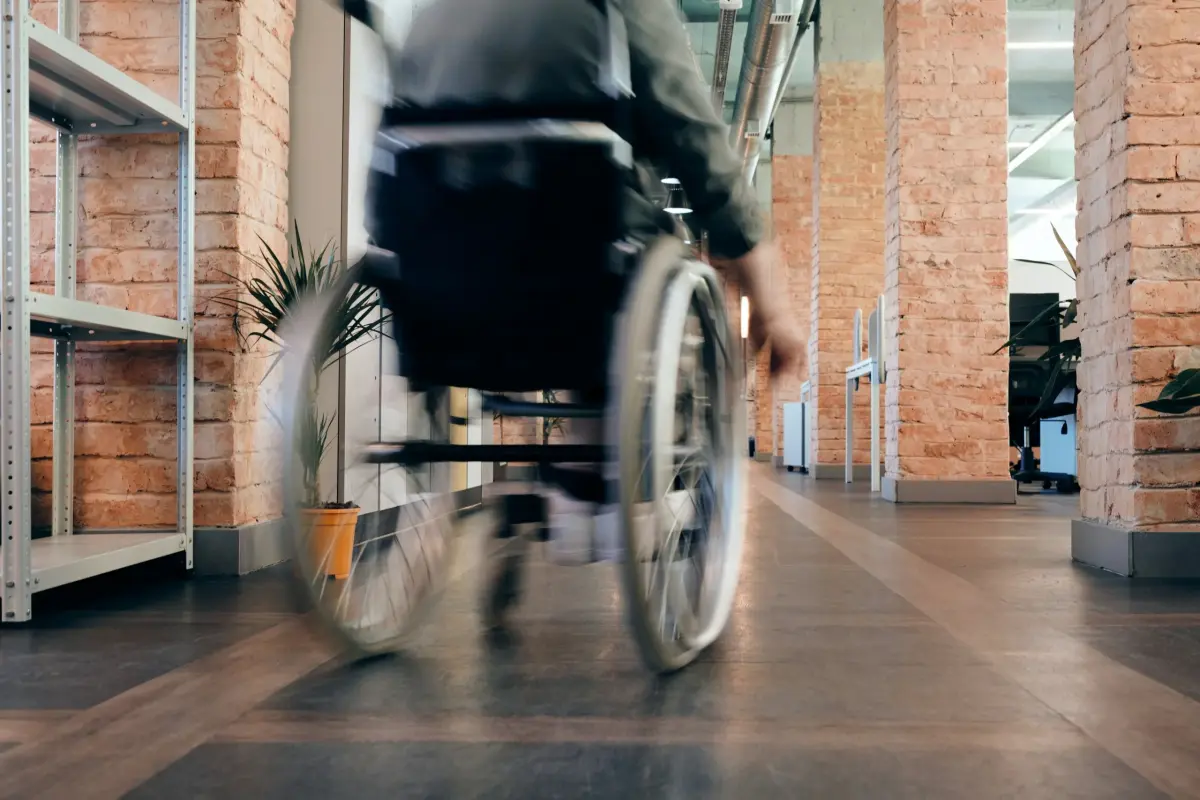
Ergonomic design becomes absolutely critical when you're dealing with reduced mobility, recovering from an injury, or living with a permanent disability. The gap between a well-designed wheelchair and a basic one isn't just about comfort.
It's about independence. It decides whether you can fit through a doorway, reach a counter, or push yourself around without trashing your shoulders.
Manual wheelchairs vary wildly in how they distribute your weight, how much energy they take to push, and how well they hold your posture across a full day. An ergonomic wheelchair with the right seat width, depth, and backrest angle prevents the pressure sores, shoulder injuries, and postural issues that come from a bad fit.
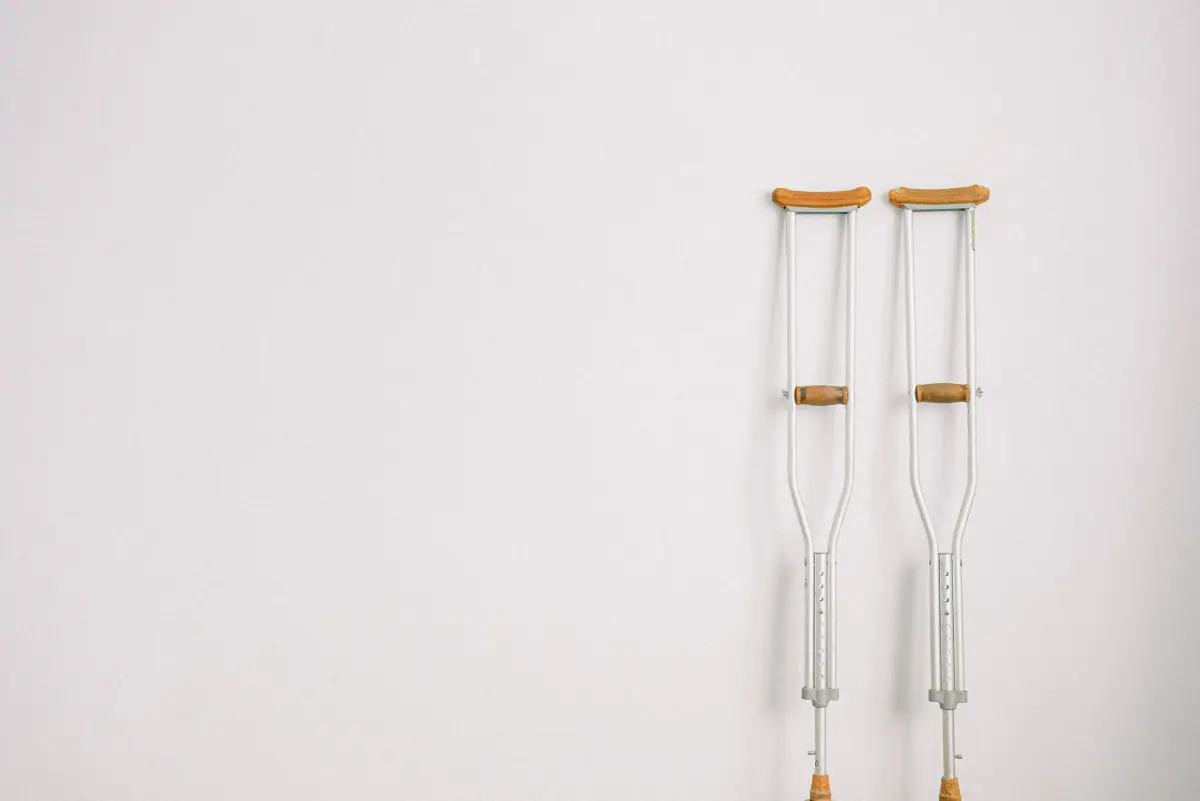
Ergonomic crutches with padded handles and spring tips absorb the impact forces that travel through your hands, wrists, and shoulders with every step. Standard crutches are notorious for hand numbness and underarm nerve compression.
Better designs get rid of both problems.
Our ergonomic aids overview covers a broad range of assistive products built to help people stay independent while protecting their joints. That includes everything from jar openers and button hooks to reaching tools and modified utensils.
Ergonomic bed pans with contoured shapes and non-slip surfaces improve both comfort and dignity for bedridden patients. Lift tables and lifting devices take physical strain off caregivers while making transfers safer for the person being moved.
These aren't glamorous products, but they make a huge difference in daily quality of life.
Ergonomics doesn't end at your front door. Your car, your hobbies, your leisure activities.
They all take a toll on the same body you're trying to protect inside the house.
The average American spends close to an hour a day in a car. If your headrest shoves your head forward or your seat offers no lower back support, that's an hour of bad posture stacked on top of everything else.
An ergonomic car headrest keeps your head in neutral alignment and provides actual whiplash protection, not just a foam block behind your skull. Our steering wheel cover guide looks at grip comfort and vibration dampening for long drives.
And for the full picture on driving position, dialing in your seat angle, mirror placement, and pedal reach can make a surprisingly big difference on longer trips.
Musicians deal with some of the most punishing repetitive motion demands of any group. An ergonomic flute with repositioned keys or an angled headjoint eases the lopsided strain on your right shoulder and wrist that standard flutes create.
Viola players face similar problems from holding the instrument under their chin for hours, and our ergonomic viola guide covers chin rests, shoulder rests, and modifications that head off the neck and shoulder issues violists so commonly develop.
For pianists, an adjustable-height bench with proper cushioning is essential. The bench height directly affects your wrist angle on the keys.
Too high and you'll develop extensor strain. Too low and your shoulders creep up toward your ears.
Your phone is probably the device you use most, and holding it at waist level while staring down puts your neck into extreme flexion. A good stool and ergonomic carts can cut strain in laundry rooms, workshops, and kitchens.
Even something as niche as a foot pedal can take repetitive hand tasks off your plate in sewing, music, and accessibility setups.
If you're just getting into home ergonomics, the sheer number of products out there can feel overwhelming. You don't need to swap everything out at once.
Focus on the categories where you spend the most time or feel the most discomfort, then branch out from there.
| Priority | Category | Best Starting Product | Typical Cost | Impact |
|---|---|---|---|---|
| 1 | Living room seating | Ergonomic couch or recliner | $500 to $1,500 | Very high (you're there 3-5 hrs/day) |
| 2 | Sleep | Ergonomic pillow | $30 to $80 | High (affects 7-8 hrs every night) |
| 3 | Kitchen tools | Chef knife + jar opener | $30 to $100 | High (used every single day) |
| 4 | Standing surfaces | Anti-fatigue mat | $30 to $80 | Moderate to high (kitchen and workshop) |
| 5 | Craft/hobby tools | Ergonomic hooks or needles | $15 to $50 | High (if you craft regularly) |
| 6 | Personal carry | Ergonomic backpack | $60 to $200 | Moderate (varies by how often you carry it) |
| 7 | Footwear | Ergonomic slippers | $30 to $80 | Moderate (all those indoor hours) |
| 8 | Garden/workshop | Ergonomic garden tool set | $40 to $120 | Moderate (seasonal use) |
Notice how the highest-impact items aren't always the priciest. An ergonomic pillow costs less than dinner out and affects a full third of your life.
Kitchen tools you grab every day deliver more value than a premium garden set you pull out twice a month.
Reviewing home ergonomic products is a different game from reviewing office gear. Office products have clear benchmarks: typing speed, cursor accuracy, seat adjustment ranges.
Home products are more varied and way more personal. A kitchen knife that's perfect for one hand size might be awful for another.
We use every product in its intended setting for at least two weeks before we publish a review. Kitchen tools get tested during real meal prep.
Furniture gets sat in through actual evenings of TV, reading, and relaxing. Garden tools go through genuine yard work sessions.
We don't do quick unboxing videos or weekend tests. Ergonomic problems show themselves over time, and something that feels great on day one might start causing issues by day ten.
On the flip side, some products have a break-in period where they genuinely improve with use.
We link to specific products on Amazon so you can check current prices and read what other buyers think. Our recommendations come from testing and ergonomic performance, not from which product pays the biggest commission.
After reviewing hundreds of home products and hearing from thousands of readers, we keep seeing the same mistakes over and over. Most of them cost nothing to fix once you know about them.
Standard kitchen counters sit at 36 inches. If you're 5'3", you're reaching up with every chop.
If you're 6'2", you're hunching over. Neither one is sustainable.
A thick cutting board can raise your work surface a couple of inches, and a sturdy step stool handles the other direction. This single adjustment eliminates a surprising amount of back and shoulder strain.
You can't judge seat depth, cushion firmness, or back angle from a product photo. If you're buying a couch or recliner specifically for ergonomic reasons, try to sit in it first.
If online is your only option, look for retailers with generous return policies. A 14-day return window isn't enough.
You need at least 30 days to figure out whether furniture actually works for your body.
Whether it's a crochet hook, a garden pruner, or a kitchen knife, gripping any tool the same way for hours straight leads to fatigue and eventually injury. Take breaks.
Switch hands when you can. Rotate between different tasks so specific muscle groups get a chance to recover.
Some of the best ergonomic upgrades cost under $30. A jar opener, a cushioned crochet hook grip, an anti-fatigue kitchen mat, a decent pillow.
These small swaps often deliver more comfort per dollar than one big furniture purchase ever could.
Walking barefoot or in flat socks on hard floors stresses your plantar fascia, flattens your arches, and sends impact forces straight into your knees and hips. People who wouldn't dream of wearing bad shoes outside will spend hours on tile in bare feet and then wonder why their back hurts.
Supportive slippers fix this for about the cost of a pizza delivery.
Too many people wait until they're in serious pain or recovering from surgery before they even look at ergonomic aids, crutches, or wheelchair options. By that point, they're making rushed decisions under stress.
If you have aging parents or a condition that could progress, do the research before you need these products urgently. You'll make much better choices and have everything ready when the time comes.
Here's a practical walkthrough for upgrading your home ergonomics without trying to tackle everything at once. Start with whichever room you spend the most time in or where you feel the most discomfort, then work outward over weeks or months.
This is where most people log their evening hours, so it gets first priority. Start with your main seating.
If your couch or recliner doesn't support your lower back, either replace it or toss a lumbar cushion behind you as a temporary fix. Trade flat throw pillows for an ergonomic pillow that supports your neck when you lean back.
If you've got a dedicated TV chair, look for one with adjustable recline, real lumbar support, and a headrest that keeps your neck neutral.
Swap your most-used knife for an ergonomic chef knife. Grab an ergonomic jar opener and put an anti-fatigue mat in front of your main prep area and sink.
If you eat at the kitchen table or island every day, honestly assess whether your kitchen chairs or bar stools are actually comfortable or just tolerable.
Your pillow is hands-down the most impactful bedroom upgrade. Match pillow thickness to how you sleep.
Side sleepers need the most support, back sleepers need moderate, and stomach sleepers need the thinnest option available. If you read in bed, use a wedge pillow instead of stacking flat pillows that collapse under your weight the second you lean back.
Upgrade your most-used tools first. For crafters, that's typically your crochet hooks, needles, or scissors.
Workshop users should start with their go-to hand tools and pliers. Add a comfortable chair or stool with decent back support.
And don't underestimate good lighting. Task lighting at your work surface cuts eye strain and prevents that forward lean that happens when you can't quite see what you're doing.
Start with ergonomic garden tools for whatever you do most often, which is usually pruning and digging. Wear proper gloves that fit well and give you padding without sacrificing dexterity.
Pick up a kneeling pad or garden stool if you spend any time at ground level. And invest in supportive boots since you'll be on uneven terrain for long stretches.
People skip right over this room, but bathroom ergonomics matters, especially for older adults. Toilet height affects how much strain your knees and hips take when sitting down and getting back up.
Bathtub design determines whether climbing in and out is comfortable or a fall risk. Even your toothbrush counts.
An ergonomic toothbrush makes that twice-daily routine much easier on arthritic hands.
If you commute, your car is basically another room in your house. An aftermarket headrest that actually supports your cervical spine is the single best upgrade you can make.
Adjusting your seat position, steering wheel height, and mirror placement are all free changes that most people have never bothered with. Throw in an ergonomic steering wheel cover for grip comfort on longer drives.
The idea behind this whole guide is straightforward: the products you live with every day should support how your body naturally moves, not fight against it. You don't need to drop thousands of dollars or turn your house into a clinic.
You just need to be thoughtful about the tools and furniture you pick.
Start with whatever hurts. Hands cramp after cooking?
Fix your kitchen tools. Back aches every evening?
Fix your couch. Waking up with a stiff neck?
Fix your pillow. Small, targeted upgrades made in the right order will get you 80% of the way to a more comfortable home.
Browse our full library of living and home ergonomics reviews below. Every article includes honest takes based on real-world testing, specific product recommendations, and links to check current pricing.
Your home should be where your body recovers, not where it picks up more wear and tear.
guide Discover ergonomic activities for your desk, kitchen, hobbies, commute, and sleep. Evidence-based tips to reduce strain and prevent injuries in every setting.
 roundup
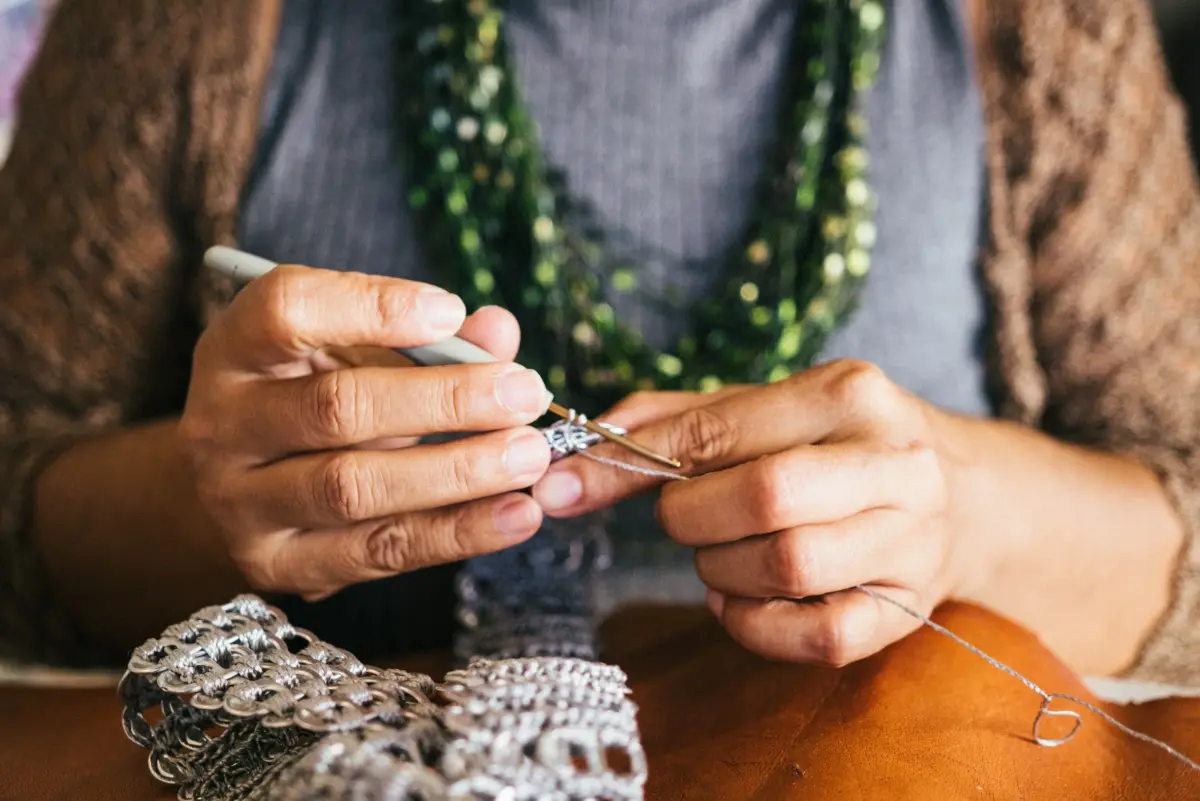
 We tested 17 ergonomic crochet hooks for pain-free use for comfort, quality, and durability. See which ones made our top picks list and why they stand out.
 roundup
 Looking for the right ergonomic chairs for watching tv? We tested 10 and rated each on comfort, build quality, and price. Our full rankings are inside.
 roundup
 Struggling to choose ergonomic dog bowls for healthier eating? We tested 10 options and ranked them by what matters most: comfort, quality, and long-term value.
 roundup
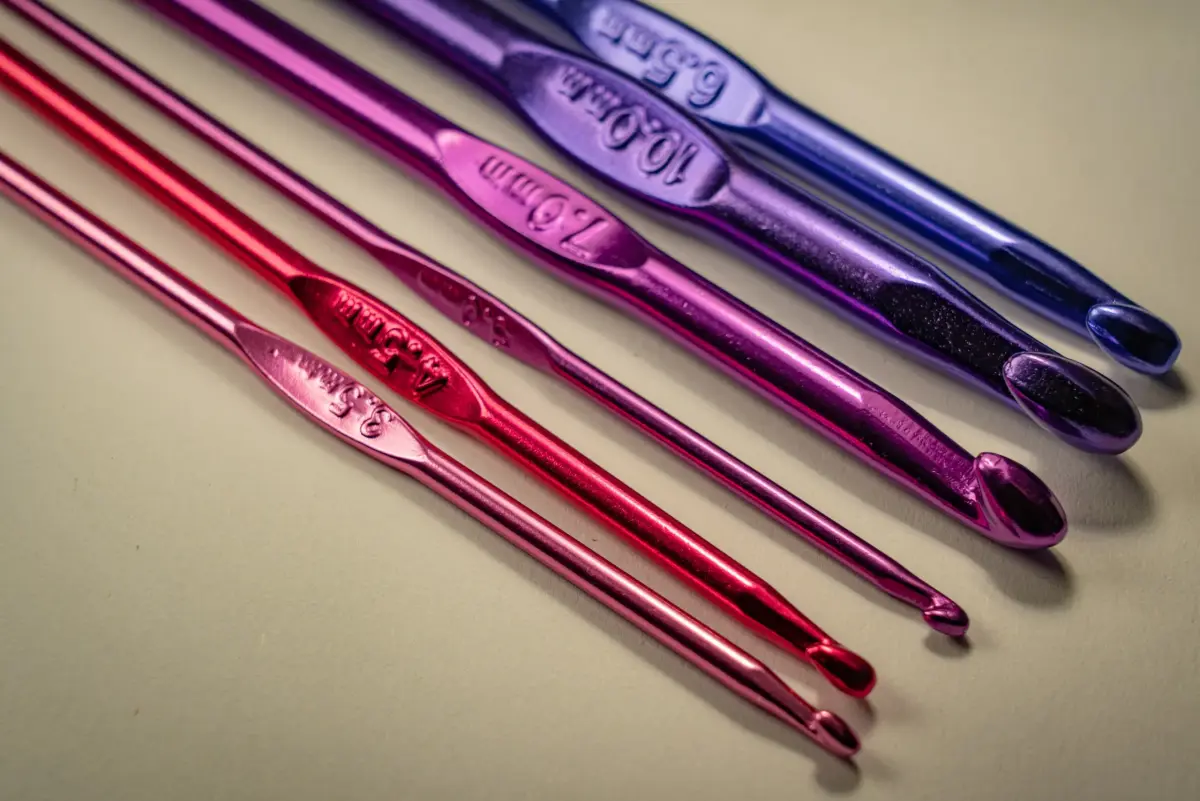
 Looking for the right ergonomic knitting needles for less pain? We tested 10 and rated each on comfort, build quality, and price. Our full rankings are inside.
 roundup
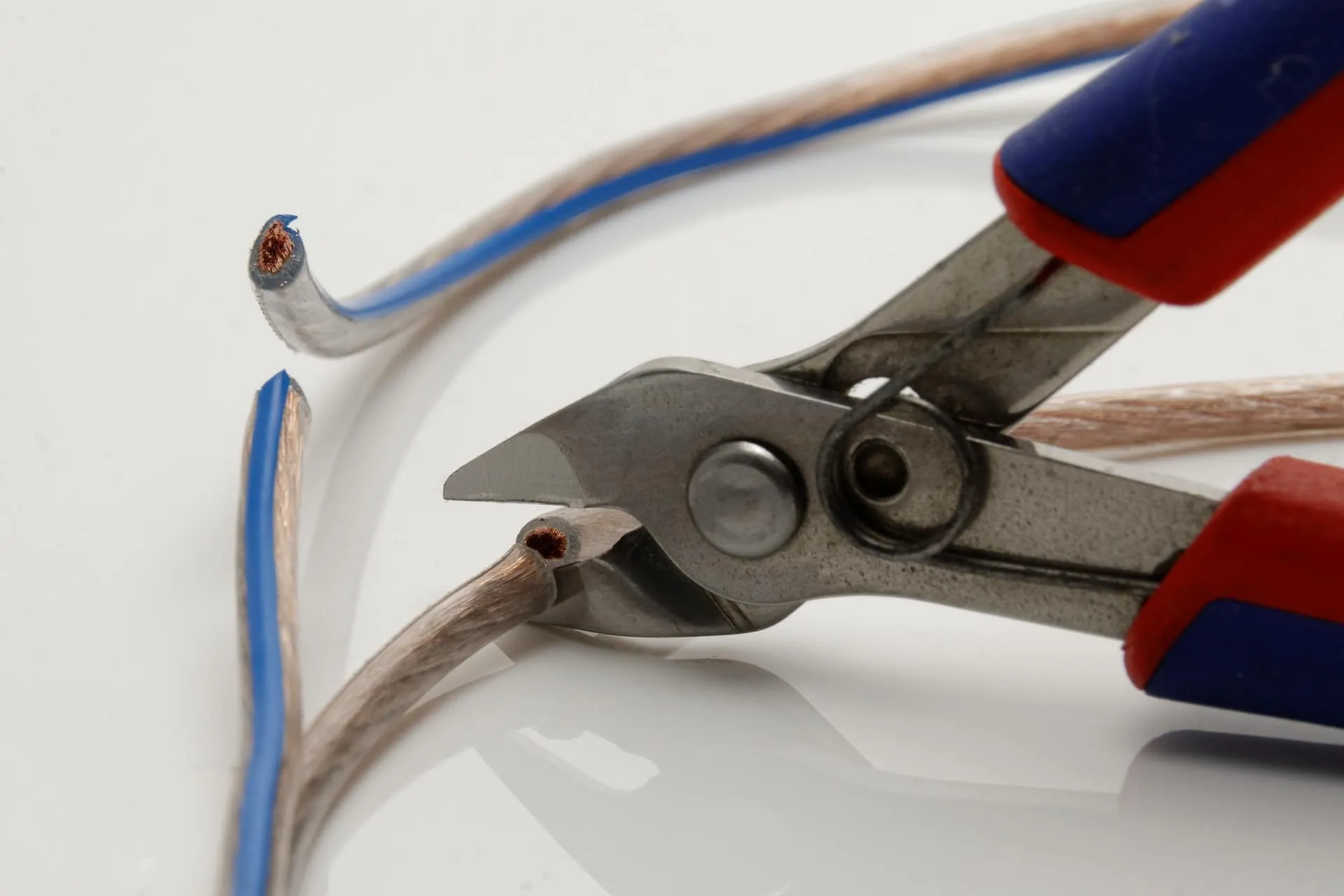
 We put 11 ergonomic wire cutters for less strain through real-world testing and narrowed the field. See our honest ratings, top picks, and detailed comparisons.
 roundup
 10 ergonomic easy chairs compared after real-world testing. We ranked each one by comfort, build quality, and value to help you pick the right one.
 roundup
 We tested 10 ergonomic loveseats for back support for comfort, quality, and durability. See which ones made our top picks list and why they stand out in 2026.
 roundup
 We tested 10 ergonomic bathtub pillows and caddy trays for neck support, suction grip, and material quality. Find the best bath comfort upgrade for you.
 roundup
 We put 10 ergonomic piano benches through real-world testing and narrowed the field. See our honest ratings, top picks, and detailed comparisons.
 roundup
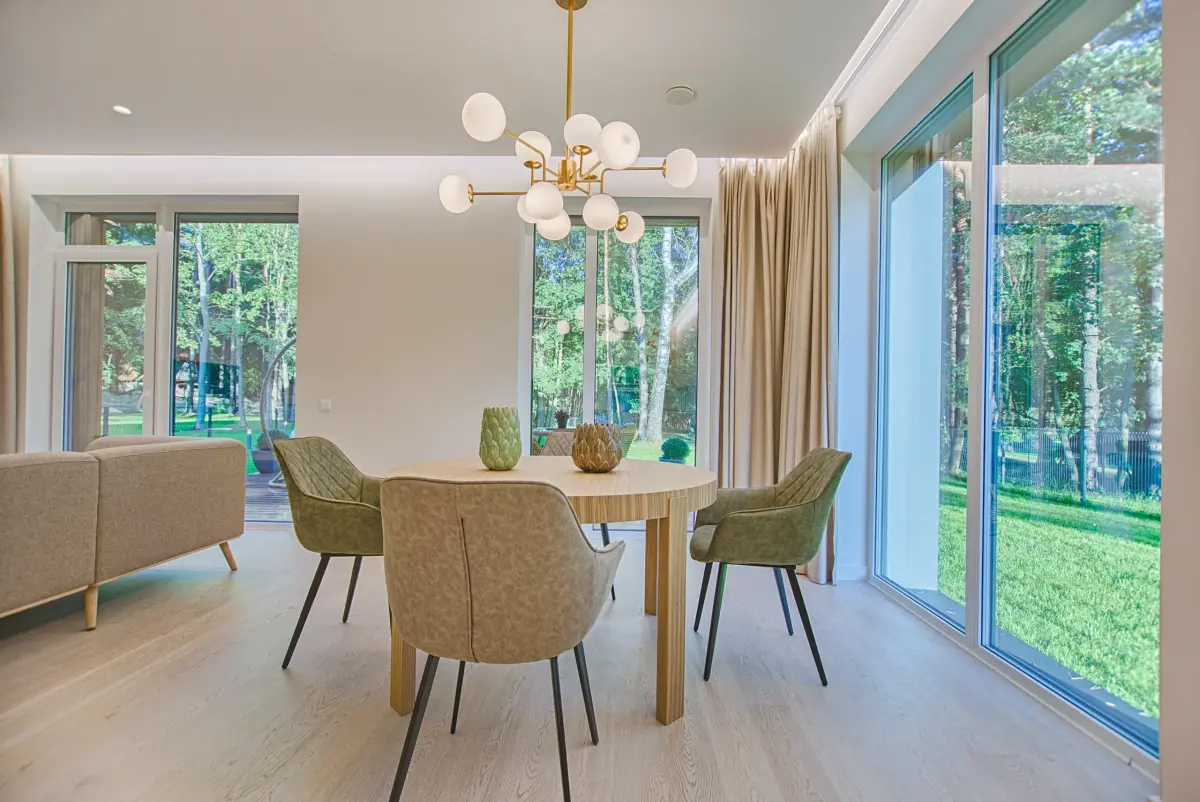
 We put 10 ergonomic dining chairs for better posture through real-world testing and narrowed the field. See our honest ratings, top picks, for 2026.
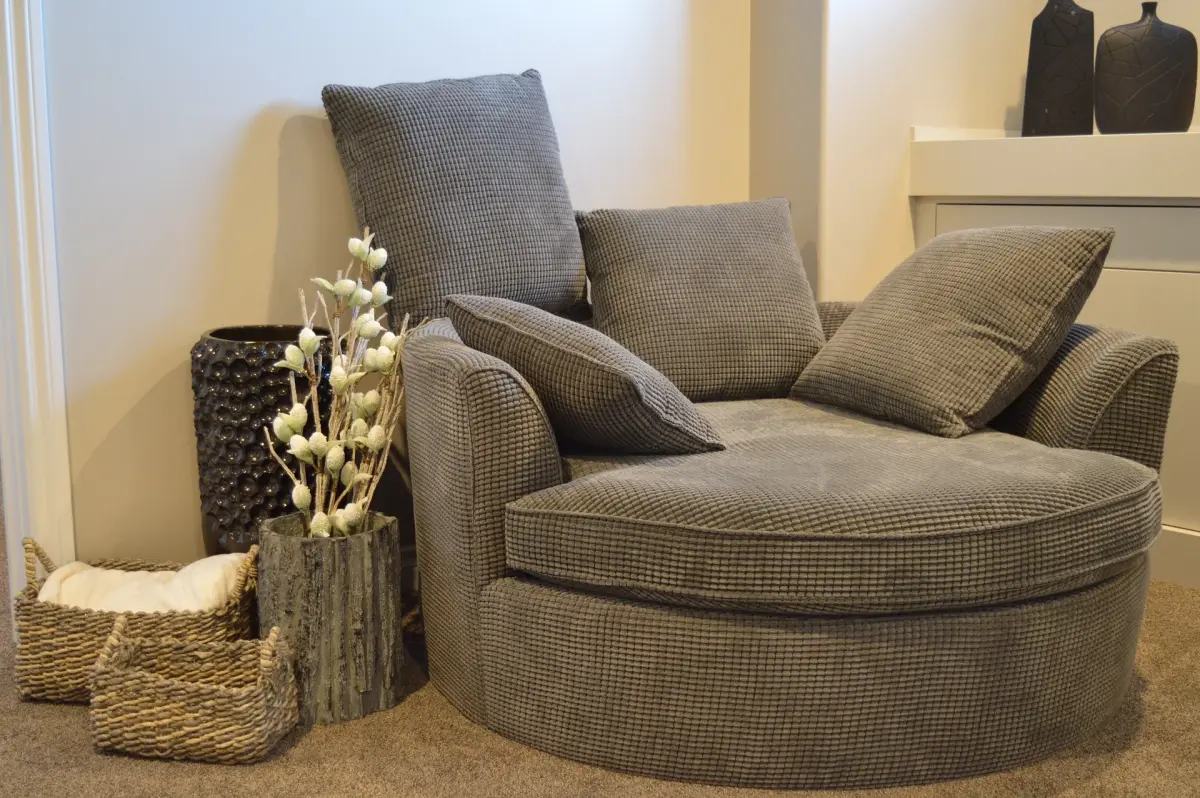 roundup
 We tested 10 ergonomic recliners for comfort, quality, and durability. See which ones made our top picks list and why they stand out in 2026.